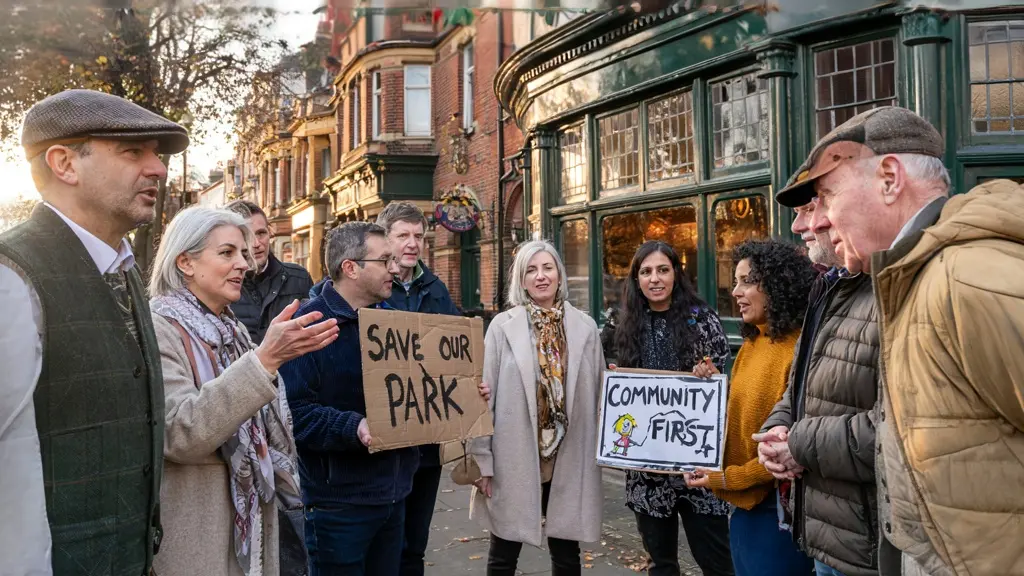
Civic participation in Richmond just notched a quiet victory along the Chiswick riverfront, where pub-goers and landlords successfully defended outdoor seating that Hounslow Council had threatened to remove over licensing technicalities. The tables and chairs remain, the pints continue to flow, and the episode offers a useful lesson in how residents can shape local decisions when bureaucracy collides with community life.
The dispute arose when Hounslow Council attempted to enforce stricter licensing conditions on pubs with outdoor seating along the Thames Path.
What happened on the Chiswick towpath
The conflict began when council officers raised concerns about outdoor furniture.
Several riverside pubs in Chiswick had operated outdoor seating areas for years under what landlords understood to be valid arrangements. Hounslow Council, however, questioned whether the proper permissions were in place and suggested the tables and chairs might need to be removed. The prospect alarmed regular customers and business owners alike, who saw the outdoor areas as essential to the pubs’ character and viability. What followed was not a protest march but something quieter and perhaps more effective: a coordinated effort involving landlords, residents, and local representatives who made the case that the seating served the community well and deserved to stay.
The council eventually agreed, confirming that the outdoor areas could continue under clarified licensing terms.
How residents made the difference
The campaign succeeded because it combined local knowledge with procedural clarity.
Residents did not simply complain; they gathered evidence of how the seating was used, documented its history, and presented a coherent argument to council officers. Landlords worked with licensing solicitors to ensure their paperwork was in order. Local councillors amplified the community’s voice at planning meetings. The effort showed that councils do respond when presented with well-organised, factual cases that demonstrate genuine public benefit. It also revealed something important about how local democracy functions: the squeaky wheel gets heard, but only if it speaks the council’s language and backs its claims with detail.
The lesson is less about outrage and more about persistence and preparation.
How we got here
- Early 2026
- Hounslow Council raises licensing concerns about outdoor seating at Chiswick riverside pubs
- Mid 2026
- Landlords and residents organise response, consulting licensing experts and gathering evidence
- Late 2026
- Council confirms outdoor seating can continue under clarified licensing arrangements
One of the pubs at the centre of the dispute sits directly on the Thames Path between Chiswick Bridge and Hammersmith, a stretch popular with walkers, cyclists and rowers. Its outdoor tables have been a fixture for at least 15 years, used by families after weekend walks and by commuters stopping for a drink on summer evenings. That long-standing use formed part of the case residents made to the council.
What this tells us about council decisions
Council officers operate within frameworks that do not always account for nuance.
Licensing rules exist to prevent problems, but they are written in general terms and applied by people who may not know your particular street or its history. When residents bring that context to the table, clearly and calmly, decisions can shift. The Chiswick case was not an anomaly; similar outcomes have followed similar efforts across Richmond borough when communities have engaged early, presented evidence, and worked with rather than against the procedural machinery.
The key is timing: waiting until a decision is final makes everything harder.
Engagement at the consultation stage, when officers are still forming recommendations, gives you the best chance to shape what happens next.
What this means for you
If you are concerned about a council decision affecting your neighbourhood, the Chiswick example offers a practical template. Start by understanding exactly what the council is proposing and why: request the relevant documents, attend any public meetings, and speak to your ward councillors early. Gather evidence that supports your case, whether that is photographs, usage data, historical records, or statements from neighbours. Present your argument in writing, addressing the specific concerns the council has raised rather than making generalised objections. If the issue involves licensing or planning, consider consulting a specialist who can help you navigate the procedural requirements. Most importantly, engage during the consultation period, not after the decision has been made. Richmond and Hounslow councils publish upcoming consultations on their websites, and signing up for planning alerts in your area ensures you hear about proposals before they progress too far. Your voice carries weight when it is informed, timely, and constructive.
The Chiswick pub victory was not dramatic, but it mattered. It showed that residents who understand the process and engage with it thoughtfully can protect what they value. The riverside tables are still there because people made the effort to keep them.
For decades, riverside seating has been as much a part of Chiswick’s character as the towpath itself. The recent challenge marked the first serious threat to that tradition, making the successful defence all the more significant.
Frequently asked questions
How do I find out about council consultations in my area?
- Richmond Council publishes consultations on its website under the Have Your Say section. You can sign up for planning alerts by ward, which sends email notifications when new applications or proposals are submitted. Hounslow Council operates a similar system. Local councillors also share consultations through their newsletters and social media channels.
What is the best way to make a representation to the council?
- Submit your comments in writing through the official consultation portal or by email to the named officer. Be specific: reference the application or proposal number, explain how you are affected, and address the planning or licensing criteria the council must consider. Emotional appeals are less effective than factual arguments tied to policy. If possible, include supporting evidence such as photographs or records.
Can one resident really influence a council decision?
- Yes, particularly if your representation raises points officers have not yet considered or provides evidence that changes the factual basis of the decision. Councils must take all representations into account. A single well-argued objection can prompt officers to seek more information or adjust their recommendation. Multiple residents making similar points have even greater impact.
What happens if the council ignores public feedback?
- Councils are required to consider all representations, but they are not obliged to follow them. If a decision proceeds despite objections, you can ask your councillor to call it in for review by the relevant committee. In some cases, decisions can be challenged through judicial review if the council has failed to follow proper procedure, though this is expensive and should be a last resort.
How long do consultation periods usually last?
- Planning consultations typically run for 21 days from the date the application is validated. Licensing consultations are usually 28 days. Major policy consultations may run for six to twelve weeks. The deadline is firm, so responding early is wise. Late submissions are often rejected.
Useful resources
Castelnau Dentists
Castelnau Dentists is a well-regarded dental practice situated at 200 Castelnau in Barnes, SW13, serving the local community with patient-centred care delivered by a team of dentists and hygienists. The…
The Bench
The first frost in Richmond gardens turned everything silver
The first frost in Richmond gardens turned everything silver this morning. Lawns glittered. Spiders’ webs became tiny chandeliers. The last apples on the trees wore sugar shells. You probably stepped outside and felt that first shock of cold air. It marks the moment when autumn stops pretending and winter nudges at the door. Everything looks […]
Local groups