Lyons Corner Houses: Richmond's Lost Cafe History
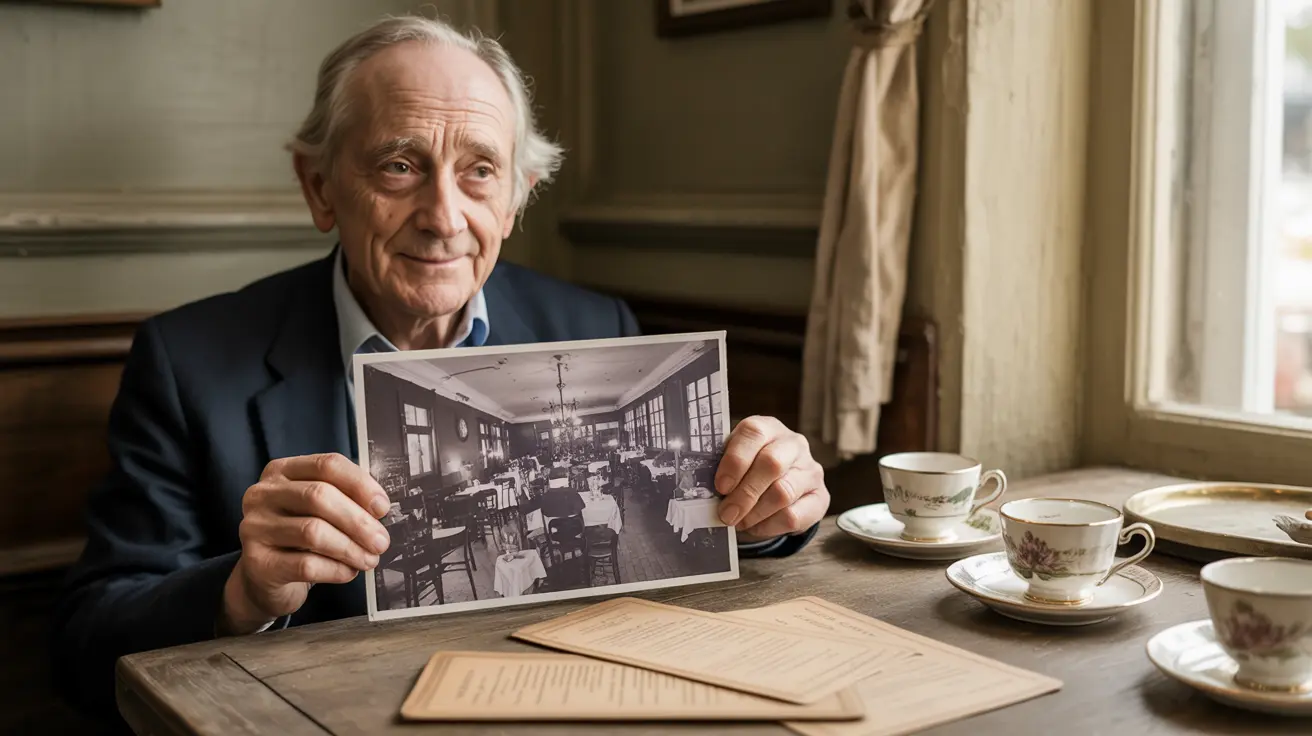
The grand cafes that made Richmond a destination
Long before Costa and Pret dominated Richmond's high street, elegant Lyons Corner Houses drew families from across southwest London for afternoon tea and three-course dinners. These palatial cafes, with their marble counters and uniformed 'Nippies' waitresses, transformed ordinary dining into an occasion worthy of your Sunday best. Their story reveals how Richmond once positioned itself as a place where everyday pleasures felt genuinely special.
The rise and fall of Lyons Corner Houses reflects a broader shift in how we gather, dine, and create community in Richmond.
When dining out was an event
Richmond's Lyons Corner House occupied prime real estate near the station, its Art Deco facade promising something grander than the usual tearoom.
Inside, the multi-floor establishment buzzed with activity from morning coffee through late supper. The ground floor served quick lunches to office workers, while upstairs dining rooms hosted family celebrations and courting couples. The famous ‘Nippy’ waitresses – so named for their quick service – became local celebrities, their crisp uniforms and professional manner setting the standard for restaurant service across Richmond. The menu stretched from simple Welsh rarebit to elaborate Sunday roasts, all served on proper china with white tablecloths that made every meal feel significant.
These weren't just restaurants but social institutions that taught Richmond how to dine with dignity and style.
The secret of Lyons' success
J. Lyons & Co understood that Richmond's residents wanted quality without pretension, elegance without intimidation.
The company’s genius lay in democratising dining – bringing the service standards of London’s grand hotels to middle-class families at affordable prices.
A three-course meal with coffee cost less than a cinema ticket, yet the experience felt luxurious. The Corner Houses employed local women as waitresses, providing steady income and career progression in an era when such opportunities were rare. Their training programmes were legendary, producing staff who could remember complex orders without writing them down and serve a full afternoon tea service with choreographed precision. The Richmond branch often hosted wedding receptions and birthday parties for families who couldn’t afford hotel dining rooms.
They proved that exceptional service and beautiful surroundings could be everyone's everyday luxury, not just special occasion treats.
How we got here
- 1894
- J. Lyons & Co opens first Corner House at Piccadilly Circus
- 1920s
- Richmond Corner House opens near the station
- 1930s
- Peak popularity with multiple dining floors and live music
- 1960s
- Declining profits as dining habits change
- 1977
- Last Corner House closes, ending an era
The Richmond Corner House stood where WHSmith and several smaller shops now occupy the parade near Richmond station. Former customers still remember the revolving doors, the elaborate tea trolleys, and the way the whole establishment fell silent when the resident pianist began the evening's entertainment.
What replaced the Corner Houses
By the 1970s, changing tastes and rising costs forced Lyons to close their Corner House operations across London, including Richmond's beloved branch.
The site was redeveloped into modern shops and chain restaurants that prioritised speed over ceremony, efficiency over experience. Where families once lingered over proper tablecloths, customers now grabbed coffee to go. The carefully trained staff who could carve roast beef tableside were replaced by minimum-wage workers following corporate scripts. The art of unhurried dining – that particular pleasure of being properly served while watching Richmond life unfold through large windows – seemed to disappear with the Corner Houses themselves. Today’s independent restaurants like Petersham Nurseries and The Dysart Arms carry forward some of that tradition of making dining special, but the scale and accessibility of the Corner Houses remains unmatched.
The question isn't whether we can recreate what Lyons built, but whether we can capture their understanding that how we eat together shapes who we are as a community.
What this means for you
Understanding the Corner House legacy helps explain Richmond's continued appetite for quality dining experiences and community gathering spaces. Support local restaurants that prioritise service and atmosphere over speed – places like The Ivy Richmond, Chez Lindsay, or the gastropubs along the riverside. Consider joining the Richmond Local History Society to learn more about the area's commercial heritage and how past businesses shaped today's character. When planning celebrations or family meals, remember that choosing restaurants that value proper service helps maintain Richmond's tradition of treating dining as a social art rather than mere consumption.
The Corner Houses remind us that the way we eat together reflects our values as a community. Richmond's dining scene today still carries echoes of that grand tradition where service mattered and every meal was worth savouring.
Frequently asked questions
Where exactly was Richmond's Lyons Corner House located?
- The Corner House stood near Richmond station on what is now the main shopping parade. The exact site has been redeveloped into modern retail units, but it was positioned to catch both commuters and day visitors to Richmond Park and the riverside.
What made the 'Nippy' waitresses so famous?
- Nippies were Lyons' specially trained waitresses known for their speed, efficiency, and professional manner. They underwent rigorous training and could memorise complex orders while maintaining the high service standards that made Corner Houses feel special. Many became local personalities in their own right.
Why did the Corner Houses close down?
- Rising labour costs, changing dining preferences towards casual eating, and competition from fast food chains made the Corner House model unsustainable by the 1970s. The elaborate service and multi-course meals that defined them fell out of favour with increasingly busy lifestyles.
Are there any surviving Corner House buildings in London?
- Very few original Corner House buildings survive intact. Most were demolished or completely converted. The Strand Palace Hotel incorporates some original Lyons design elements, and there are preservation efforts to document this important chapter of London's dining history.
How can I learn more about Richmond's restaurant history?
- The Richmond Local History Society holds regular talks and maintains archives about the area's commercial past. Richmond upon Thames Libraries also house historical photographs and documents about local businesses, including the Corner Houses and other significant dining establishments.