Richmond Council urged to support outdoor workers in heat
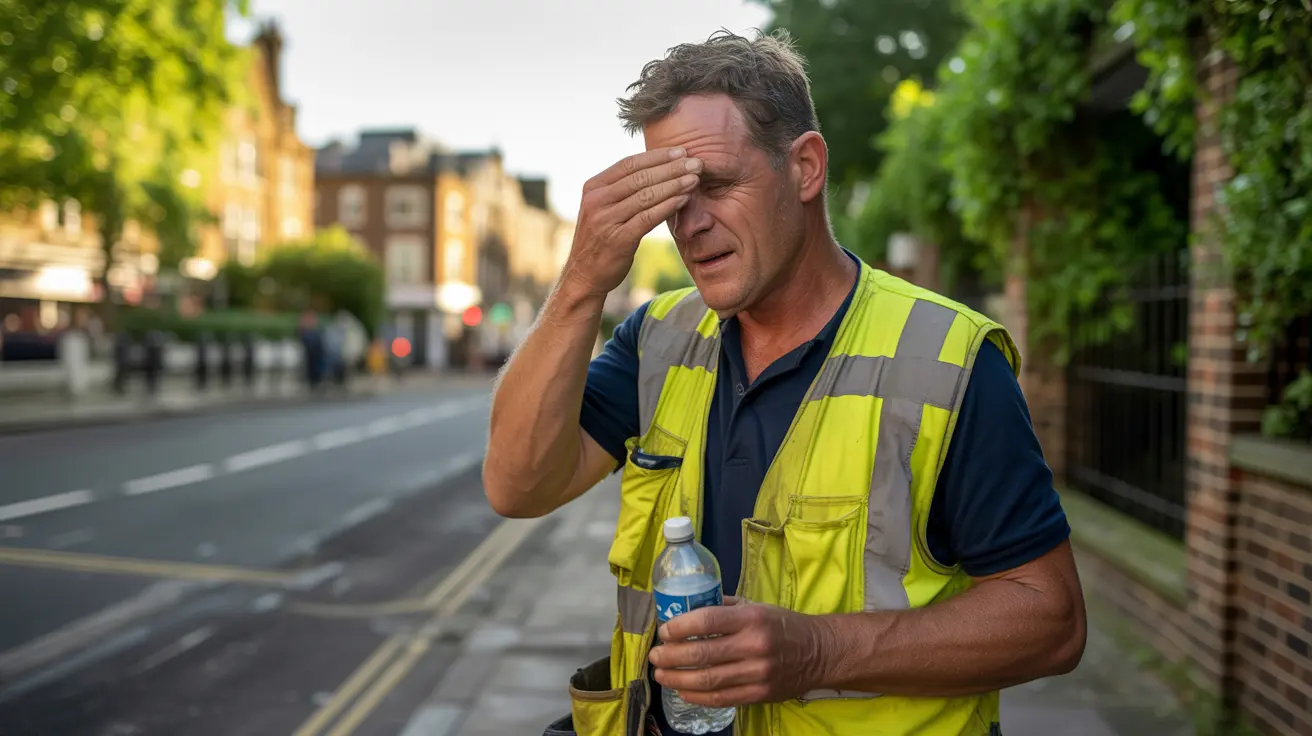
Richmond's outdoor workers need council support during heatwaves
While most Richmond residents can retreat indoors when temperatures soar, thousands of local workers – from gardeners maintaining our parks to construction crews building new homes – must continue working in dangerous heat. A growing chorus of advocacy groups is calling on Richmond Council to step up protection for these essential workers who keep our borough running.
Recent heatwave coverage has focused on crowded beaches and parks, but little attention has been paid to those who cannot escape the heat.
The workers who cannot escape
Richmond's outdoor workforce faces particular challenges during extreme heat events.
Construction workers building new developments along the Thames Path, gardeners maintaining Richmond Park’s landscapes, and delivery drivers serving local businesses all must continue their essential work regardless of temperature. Unlike office workers who can adjust their environment, these employees often lack access to adequate shade, cooling areas, or flexible working arrangements during dangerous heat periods. The recent May heatwave highlighted this disparity, with media coverage celebrating leisure activities while ignoring the health risks faced by working people.
The borough's economic vitality depends on workers who have nowhere to hide when the mercury rises.
What support looks like
Practical solutions already exist in other London boroughs.
Wandsworth Council has established cooling stations in public buildings specifically for outdoor workers during heat warnings, while Camden provides subsidised sun protection equipment for construction sites. Simple measures like extending library opening hours, providing free water refill stations near major work sites, and creating shaded rest areas in parks could make a significant difference. Local businesses along Richmond High Street have begun offering free water to delivery drivers, demonstrating the community spirit that formal council policy could build upon. Some construction companies working on Richmond developments have already introduced earlier start times to avoid peak heat hours.
Small changes in council policy could prevent serious health emergencies for hundreds of local workers.
What this means for you
Contact your ward councillor to ask what heat protection measures Richmond Council plans to implement for outdoor workers. You can find your councillor's details on the Richmond Council website. Local businesses can join the informal network offering water and shade to delivery drivers and other outdoor workers – speak to neighbouring shops about coordinating support during heat warnings.
Richmond's outdoor workers deserve the same consideration during extreme weather that the borough shows for other vulnerable groups. This summer offers an opportunity for the council to demonstrate leadership on worker protection.
Frequently asked questions
Which outdoor workers in Richmond are most at risk during heatwaves?
- Construction workers on building sites, gardeners and groundskeepers in parks, delivery drivers, street cleaners, and anyone working on road maintenance face the highest risks due to prolonged sun exposure and physical exertion.
What can local residents do to help outdoor workers during hot weather?
- Offer free water to delivery drivers and postal workers, provide shade where possible on your property, and support local businesses that create cooling stations for workers.
How do other London councils support outdoor workers in extreme heat?
- Some councils provide cooling stations in public buildings, subsidise sun protection equipment, extend library hours for rest breaks, and work with employers to adjust working hours during heat warnings.
When should outdoor work be suspended due to heat?
- While there is no legal maximum temperature, Health and Safety Executive guidance recommends employers assess risks when temperatures exceed 30°C and consider stopping work when conditions become dangerous for employee health.