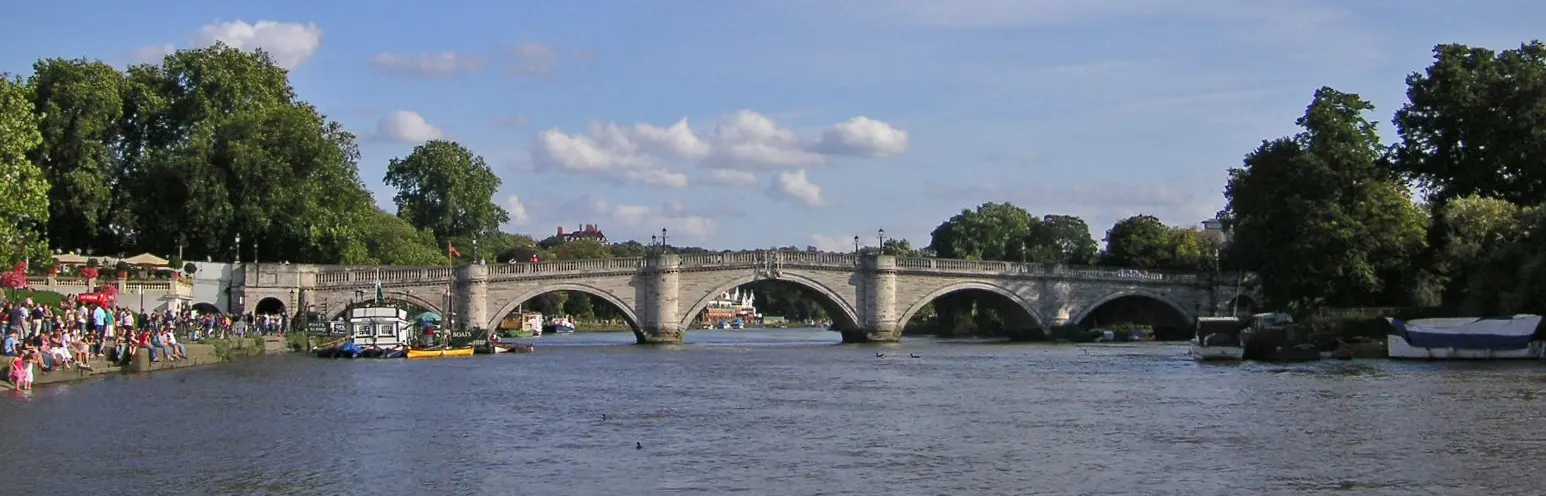
Richmond town centre plans worth £1. 5million are dividing opinion across the borough, with four proposed development projects prompting questions about whether the changes will preserve or erode the character that makes the high street a destination. The council’s vision for transformation has met both enthusiasm and pushback, and what happens next depends partly on how many residents choose to make their voices heard.
The proposals represent one of the most significant interventions in the town centre’s layout and character in recent years.What the council is proposing
Four distinct projects make up the £1. 5million package. The plans focus on public realm improvements, updated street furniture, enhanced pedestrian access, and modifications to traffic flow around key shopping and dining areas. Richmond Council has presented the projects as essential modernisation to keep the town centre competitive and accessible, arguing that infrastructure last updated decades ago no longer serves current footfall or expectations. The proposals also include greening measures and accessibility upgrades designed to meet contemporary standards. The devil, as residents on both sides acknowledge, will be in the execution detail.Where residents stand
Opinion has split along predictable but not absolute lines. Supporters point to tired paving, inadequate seating, and congestion pinch points that deter older residents and families with pushchairs from spending time in the centre. They see the investment as overdue maintenance that could attract a broader mix of independent businesses and support the evening economy. Critics worry about disruption during works, potential loss of historic streetscape features, and whether the designs prioritise chain retailers over the characterful independents that define Richmond’s identity. Several residents have raised concerns that consultation so far has been light on visual detail and heavy on aspiration. Both camps agree on one thing: they want a seat at the table before spades go in the ground.How we got here
- January 2026
- Council unveils £1. 5million town centre transformation plan with four development projects
- March 2026
- Two public consultation meetings scheduled for residents to review detailed designs
- Late Spring 2026
- Consultation period closes; council to publish summary of resident feedback
- Early Summer 2026
- Final decision expected on whether to proceed with plans as proposed or amended
- Autumn 2026
- Works could begin if approval granted and contracts awarded
One retired architect living near Richmond Green told the local forum she welcomes better pedestrian crossings but fears the proposed street furniture looks generic and could have come from any retail park. Her concern captures a broader tension: whether improvements can modernise without homogenising.
The consultation window and what comes next
Richmond Council has opened a formal consultation period running until late spring. Residents can submit written feedback through the council’s planning portal, attend two public meetings, and request detailed drawings and traffic impact assessments. The council has committed to publishing a summary of all responses before finalising designs, with a decision expected by early summer and works potentially beginning in autumn if approved. Planning law requires the council to demonstrate it has genuinely considered resident input, which gives your feedback more weight than a symbolic gesture. This is the moment when your specific concerns about heritage, accessibility, or business impact can still reshape the outcome.What this means for you
The town centre plans represent a genuine fork in the road for Richmond’s retail and social heart. Whether the outcome strengthens or dilutes local character depends partly on how many residents engage with the consultation while details are still negotiable.Similar council-led regeneration schemes in neighbouring boroughs over the past three years offer instructive precedents: some delivered vibrant new public spaces and stronger local business ecosystems, while others saw heritage features compromised and independent retailers priced out.
Frequently asked questions
-
When does the consultation period close?
- The formal consultation ran until late spring 2026. The exact closing date should be confirmed on the council’s planning portal, but expect a deadline in May. Submissions received after that date are unlikely to be included in the formal assessment.
-
Will the works close roads or disrupt access to shops?
- The council has not yet published a detailed phasing plan or traffic management strategy. This is exactly the kind of practical question worth raising during consultation or at the March public meetings, as businesses and residents need advance notice to plan around closures.
-
Can the council proceed if most residents object?
- Yes, but with conditions. Planning law requires the council to demonstrate it has considered consultation responses and either addressed concerns or explained why it did not. A strong weight of well-argued objection on specific grounds (heritage impact, accessibility, traffic safety) can lead to design amendments or, in rare cases, a rethink. A flood of generic complaints carries less influence.
-
How do I see the detailed designs?
- Visit Richmond Council’s planning portal and search for the town centre transformation project. The portal should host site maps, design sketches, and supporting documents. If materials are missing or unclear, you can request them directly from the planning department or raise the issue at the public meetings.
-
Which council is responsible for Richmond town centre?
- Richmond upon Thames Council (often called Richmond Council) governs the borough, which includes Richmond town centre along with Kew, Twickenham, Teddington, and other areas. For planning and public realm matters, this is the authority to contact.
Useful resources
Castelnau Dentists
Castelnau Dentists is a well-regarded dental practice situated at 200 Castelnau in Barnes, SW13, serving the local community with patient-centred care delivered by a team of dentists and hygienists. The…
The Bench
The first leaves turning in Richmond gardens
The first leaves turning in Richmond gardens signal autumn’s arrival with quiet certainty. Horse chestnuts at Marble Hill Park show yellow edges. Lime trees along the towpath glow amber in late afternoon light. The change creeps in slowly, then all at once. You notice it first in the morning. Shadows stretch longer across the lawn. […]
Local groups