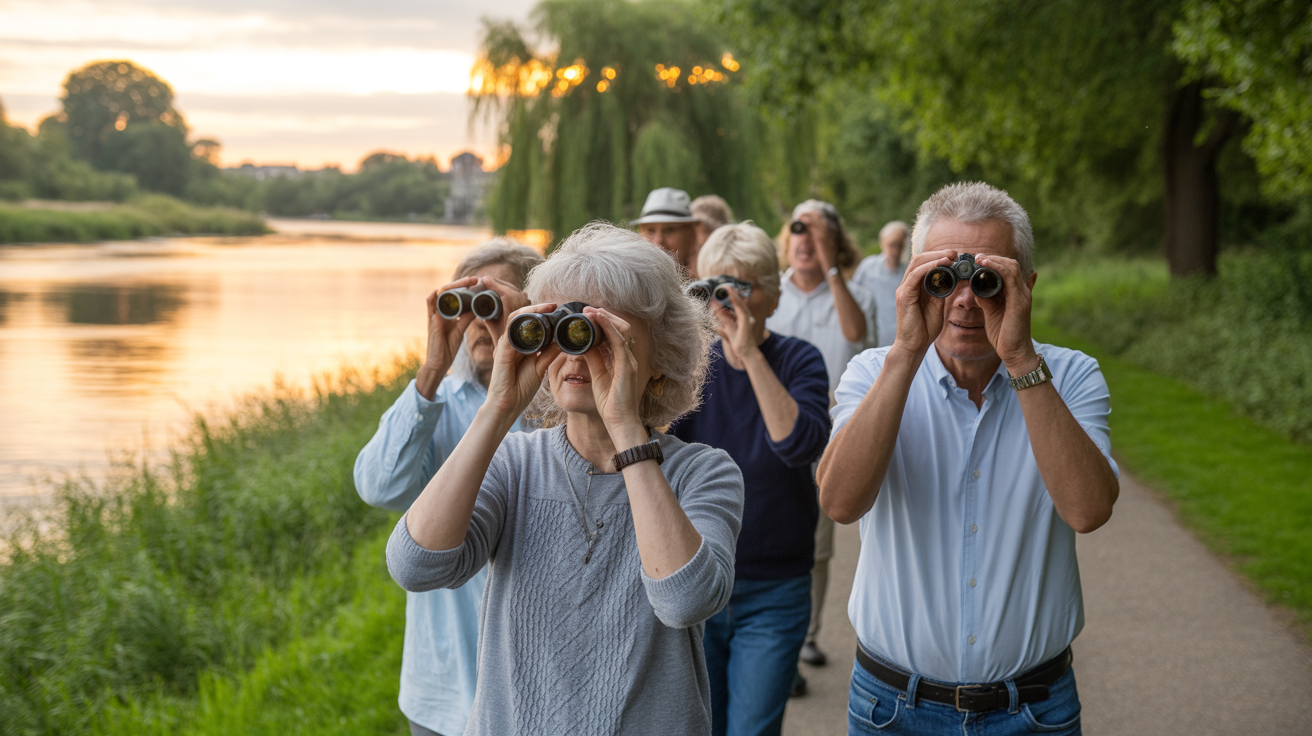
RHS shares wildlife spotting secrets for Thames walks
The Royal Horticultural Society has released new guidance for identifying wildlife along Thames Path walks, with Richmond's diverse riverside habitats offering particularly rich opportunities for nature enthusiasts. The advice focuses on plants and animals you're most likely to encounter during typical riverside strolls from Richmond Bridge to Ham House.
What to spot on your next riverside walk
Richmond's Thames Path offers exceptional wildlife watching opportunities year-round.
The RHS guidance highlights key species to watch for, including kingfishers near the Old Deer Park stretches, herons fishing in the shallows by Isleworth Ait, and the increasing number of red kites circling above Richmond Park’s eastern boundary. Plant life along the towpath includes native willows, hawthorn hedgerows, and seasonal wildflower displays that support local bee populations. Spring brings particularly rewarding viewing, with nesting birds active from March through May. The organisation notes that Richmond’s riverside environments support over 200 plant species and provide crucial corridors for urban wildlife moving between green spaces.
Your regular Thames walk becomes far more engaging once you know what flourishing community of life surrounds the path.
Frequently asked questions
When is the best time of day for wildlife spotting along the Thames?
- Early morning between 7-9am and late afternoon from 4-6pm offer the most wildlife activity, particularly for bird watching. Many species are most active during these cooler periods.
Do I need special equipment for wildlife watching on Thames walks?
- Basic binoculars enhance the experience but aren't essential. A smartphone with a nature identification app like iNaturalist can help you record and identify species you encounter.
Which stretch of the Thames Path offers the best wildlife viewing?
- The section between Richmond Lock and Ham House provides the most diverse habitats, with both wooded areas and open water attracting different species throughout the year.
Useful resources
Castelnau Dentists
Castelnau Dentists is a well-regarded dental practice situated at 200 Castelnau in Barnes, SW13, serving the local community with patient-centred care delivered by a team of dentists and hygienists. The…
The Bench
The first leaves turning in Richmond gardens
The first leaves turning in Richmond gardens signal autumn’s arrival with quiet certainty. Horse chestnuts at Marble Hill Park show yellow edges. Lime trees along the towpath glow amber in late afternoon light. The change creeps in slowly, then all at once. You notice it first in the morning. Shadows stretch longer across the lawn. […]
Local groups