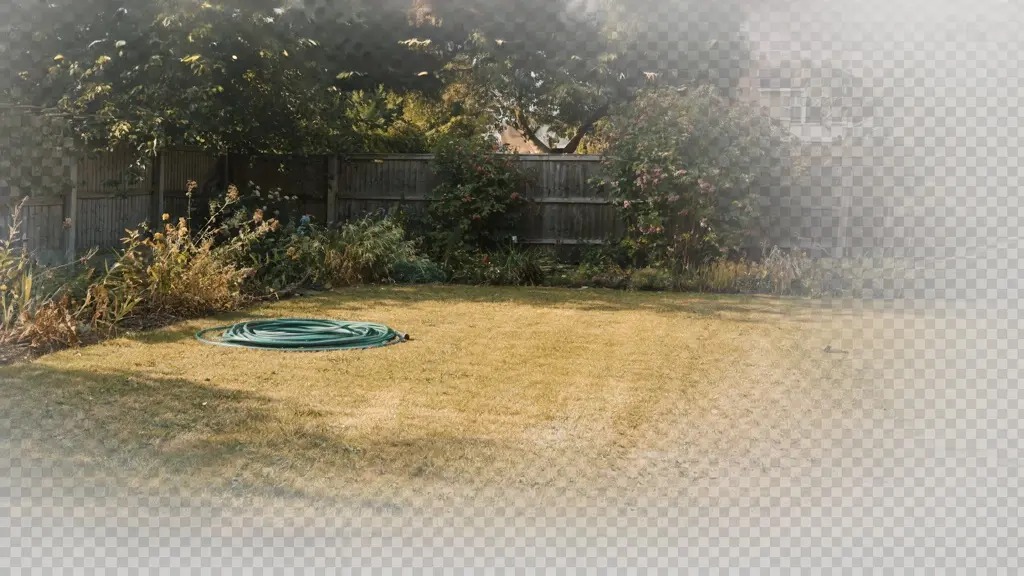
The hosepipe ban in Richmond took effect on Thursday, ending months of unrestricted watering after three heatwaves and 40% of normal rainfall. If you’ve been filling the paddling pool or hosing down the patio, those habits need to change now. Thames Water serves 10. 1 million customers across the region, and the restrictions apply to every household connected to the mains.
Thames Water has confirmed the ban follows the warmest spring on record, with more days at or above 34C than ever previously recorded.What you cannot do from Thursday
The rules are specific and enforceable. You may not use a hosepipe to water your garden, lawn, or allotment. You cannot clean your car, fill a paddling pool or swimming pool, or wash windows, walls, or patios with mains water through a hose. The restrictions also cover filling ornamental ponds and fountains. Thames Water can issue fixed penalty notices of up to £1,000 for breaches, though the company says enforcement will focus on education first. Watering cans, buckets, and any container filled directly from a tap remain perfectly legal, as does using stored rainwater or grey water from baths and sinks. If you’ve invested time in your beds and borders, switching to a watering can is inconvenient but keeps you on the right side of the rules.Why Richmond and why now
Spring rainfall across the Thames Water region measured just 40% of the long-term average. Nevil Muncaster, director of strategic water resources, said the company would not take this step unless necessary to protect supplies through the rest of summer and into autumn. Reservoir levels remain adequate but are dropping faster than normal seasonal draw-down, and three consecutive heatwaves have driven household demand well above typical July figures. Richmond sits within a supply zone that draws heavily from the Thames and Lee Valley reservoirs, both of which are below their usual levels for late July. The ban is designed to reduce discretionary outdoor use by around 10%, buying time for autumn rains to replenish storage before winter. The timing reflects a calculated risk: act now, or face the possibility of more severe restrictions if dry weather continues into August.How we got here
- March to June 2026
- Spring rainfall across Thames Water region reaches only 40% of long-term average
- May 2026
- Southern Water introduces hosepipe ban for customers in Hampshire and Isle of Wight
- June 2026
- South East Water imposes restrictions across Kent and Sussex
- July 2026
- Thames Water records more days at or above 34C than any previous year
- Thursday 23 July 2026
- Hosepipe ban takes effect for 10. 1 million Thames Water customers including Richmond
Richmond Park’s Isabella Plantation relies on natural ponds fed by surface water and shallow aquifers, both of which are noticeably lower than usual for this time of year. The National Trust has already reduced mowing frequency across the wider park to conserve soil moisture, a visible sign of how dry conditions are affecting even well-established landscapes.
How to keep your garden alive without a hose
You have more options than you might think. Mulching around plants with bark, compost, or even cardboard reduces evaporation and keeps roots cooler. Watering deeply with a can twice a week is more effective than a daily hose spray, because it encourages roots to grow downward rather than sitting near the surface. Focus on newly planted stock and anything in pots; established shrubs and trees can usually manage on their own for several weeks. If you’ve been collecting washing-up water or bath run-off, now is the time to use it on ornamentals (though not on edible crops if you’ve used strong detergents). The Royal Horticultural Society recommends watering in the early morning or late evening to minimise evaporation, and prioritising high-value plants over lawn, which will recover once rain returns. A ban concentrates attention on what actually needs water, and most gardens need far less than we’ve become accustomed to giving them.What this means for you
Check your outdoor taps and garden habits. | If you run a car-washing business or window-cleaning service, you’ll need to switch to bucket-and-sponge methods or use a commercial water source with a licence exemption. Households can still clean vehicles using buckets, though it takes longer. For gardens, prioritise anything you planted this year, and consider which parts of your outdoor space genuinely need regular watering. If you’re planning building work or landscaping, check whether your contractor’s dust suppression or concrete mixing methods rely on a hose; some activities have exemptions, but it’s worth confirming before work starts. Thames Water has a full list of exemptions on its website, covering everything from cleaning windows for health and safety reasons to filling pools for commercial swimming lessons. | The practical shift is smaller than it sounds, but it does require a conscious change in how you use water outdoors for the next several weeks at least. The ban reflects an unusually dry start to the year and aims to protect water supplies through the rest of summer. Most households can adapt with watering cans, mulch, and a bit of forward planning. If autumn brings normal rainfall, restrictions may lift before winter; if not, this could be the first step in a longer period of careful water management.Southern Water introduced identical restrictions in May, and South East Water followed in June. Richmond is now the third major catchment to impose a ban this summer, suggesting a wider pattern across the South East that may persist into autumn.
Frequently asked questions
-
Can I still wash my car at home?
- Yes, but only using a bucket and sponge filled directly from a tap or with stored water. You cannot use a hosepipe or any pressure washer connected to the mains. Commercial car washes that recycle water are unaffected by the ban.
-
What happens if I break the hosepipe ban?
- Thames Water can issue a fixed penalty notice of up to £1,000, though the company says it will focus on education and advice before enforcement. Repeated or flagrant breaches are more likely to result in formal action.
-
Can I use grey water from my bath or washing up?
- Yes, grey water from baths, showers, and washing up is fine for watering ornamental plants, shrubs, and lawns. Avoid using it on edible crops if the water contains strong detergents or bleach, and use it promptly rather than storing it for long periods.
-
Are there any exemptions to the ban?
- Yes. You can use a hosepipe to fill a pool needed for medical or veterinary care, to clean vehicles for business purposes with a water recycling system, or to water gardens or allotments for commercial food production. Blue Badge holders can apply for an exemption to clean vehicles. Full details are on the Thames Water website.
-
How long will the hosepipe ban last?
- Thames Water has not set an end date. The ban will remain in place until reservoir levels recover, which depends on rainfall over the coming weeks and months. Autumn typically brings wetter weather, but if dry conditions persist, restrictions could extend into winter.
Useful resources
Castelnau Dentists
Castelnau Dentists is a well-regarded dental practice situated at 200 Castelnau in Barnes, SW13, serving the local community with patient-centred care delivered by a team of dentists and hygienists. The…
The Bench
Bluebells in Richmond: the quiet return
Bluebells in Richmond are coming back. You’ll see them first in the shadowed corners of gardens, then spreading through the woods like a held breath released. They arrive quietly, stems pale green before the flowers show their colour. This is the moment before the spectacle. The leaves push through last autumn’s leaf litter. The buds […]
Local groups