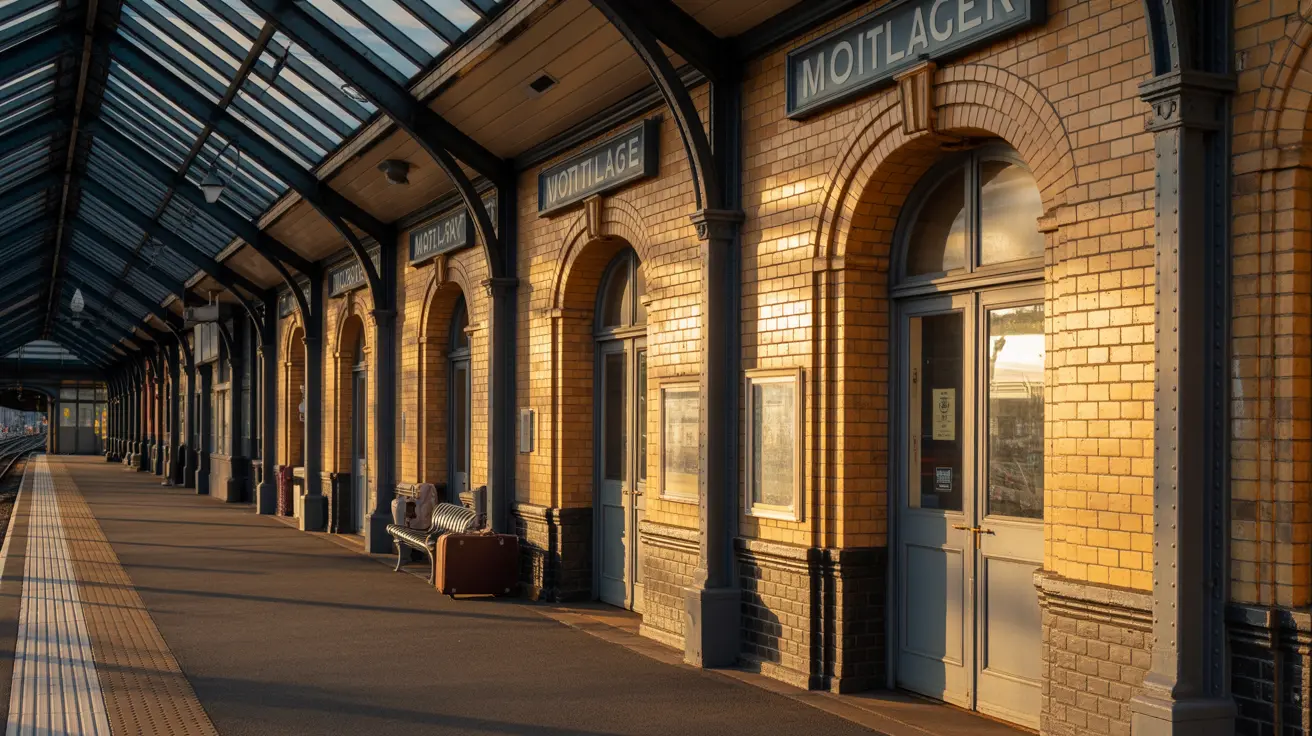
Mortlake Station history began not with a railway baron, but with Richmond residents who decided their community deserved better connections. On 27 July 1846, the first scheduled passenger trains ran from Nine Elms to Richmond and Mortlake, built by an independent company formed by local people who secured their own Act of Parliament to make it happen. Deputy Mayor Matthew Wherry marked the 180th anniversary this summer with a speech that reminded us how your corner of the borough has always been shaped by community determination rather than distant corporate plans.
The anniversary speech highlighted how Mortlake Station represents a rare example of community-led infrastructure that still serves you today.
When residents took the initiative
The Richmond Railway Company was authorised in 1845 and opened its line just one year later.
Local residents promoted and funded the venture themselves, securing Parliamentary approval for an independent company rather than waiting for one of the major railway operators to extend their network this far. The line ran from Nine Elms to Richmond, with Mortlake opening alongside the terminus on that first Monday morning in July 1846. Unlike most Victorian railways, which were built by large corporations with regional or national ambitions, this was a genuinely local enterprise designed to serve the needs of people who lived and worked here. The Richmond Railway Company remained independent until later consolidation brought it into what eventually became the Waterloo to Reading line you know today.
Your current train service has its roots in a decision made not in a London boardroom, but by your predecessors in this borough who refused to wait for someone else to connect them.
What made it different
This was not empire-building by a great railway company.
Deputy Mayor Wherry emphasised in his speech that the Richmond Railway Company represented something unusual in Victorian infrastructure: a community identifying its own need and taking direct action to meet it. Most railway expansion in the 1840s was driven by large companies seeking profit and territorial advantage, but this line was promoted by local residents who understood the value better connections would bring to Richmond and Mortlake. The fact that Parliament granted the company its own Act in 1845 shows how seriously the business case was taken, and the speed of construction demonstrates the commitment behind it. By the time Queen Victoria’s railway boom was in full swing, your area already had its line up and running.
The entrepreneurial spirit that built Mortlake Station has a direct line to the community planning meetings and local initiatives you see today.
How we got here
- 1845
- Richmond Railway Company authorised by Act of Parliament, promoted by local residents
- 27 July 1846
- Mortlake and Richmond stations open with first scheduled passenger services from Nine Elms
- Later 19th century
- Line extended and integrated into wider railway network, eventually becoming part of Waterloo to Reading route
- 5 August 2026
- Deputy Mayor Matthew Wherry delivers speech marking 180th anniversary of Mortlake Station
Mortlake Station itself stands as the clearest example: a Victorian building that still performs its original function, surrounded by a neighbourhood that has grown around the railway line local residents built to serve it. The platform you use today occupies the same site that those first passengers used in 1846, though the trains and the timetable have changed beyond recognition.
A line that grew with the borough
What began as a short independent railway became part of a vital commuter corridor.
The original 1846 line terminated at Richmond, but extensions and connections gradually integrated it into the wider network that now runs from Waterloo through to Reading. Mortlake Station has seen generations of change: steam gave way to electric, the independent company was absorbed into larger operations, and the suburb around it grew from riverside village to residential neighbourhood. Yet the station still serves the purpose its original promoters intended, connecting you to London and beyond while anchoring a community that values both heritage and practical transport links. The building itself has been updated and modified, but the principle holds: this is infrastructure built for local need, not imposed from outside.
When you wait on the platform at Mortlake, you are standing where 180 years of residents have caught their trains, a continuity that few London stations can match.
What this means for you
If you live near Mortlake Station or use the Waterloo to Reading line regularly, the anniversary is a reminder that community infrastructure works best when local voices shape it. The original residents who promoted the Richmond Railway Company would recognise the principle behind current consultations on rail services, station improvements, and transport planning. When Richmond Council or Transport for London seek your input on station access, service frequency, or local connections, your feedback carries the same weight that your predecessors’ ambition did in 1845. If you want to understand how transport decisions affect Mortlake and the wider borough, attending council planning meetings or responding to TfL consultations ensures your priorities are heard. The Richmond Railway Company succeeded because local people made a case that Parliament and investors could not ignore. You have the same opportunity whenever infrastructure decisions come up for consultation.
Mortlake Station history is a story of local determination that still resonates. The 180th anniversary reminds you that your community has always been willing to build what it needs rather than wait for someone else to provide it.
The Richmond Railway Company was not a branch of an expanding empire but a truly local venture, one of the few independent railway companies ever authorised by Parliament that answered directly to residents here rather than shareholders elsewhere.
Frequently asked questions
When did Mortlake Station first open?
- Mortlake Station opened on 27 July 1846 with the first scheduled passenger services on the Richmond Railway Company line from Nine Elms. It opened on the same day as Richmond Station, which was the original terminus.
Was the Richmond Railway Company independent?
- Yes, the Richmond Railway Company was an independent venture promoted by local residents and authorised by its own Act of Parliament in 1845. This was unusual for the period, as most railways were built by large national companies. The local company later became part of the wider railway network.
Which line does Mortlake Station serve today?
- Mortlake Station sits on the Waterloo to Reading line, which has grown significantly from the original 1846 route that terminated at Richmond. The station still serves local passengers travelling to central London and destinations west.
Why was the Richmond Railway built by residents?
- Local residents promoted the railway themselves because they identified the need for better transport connections and chose not to wait for a major railway company to extend its network to Richmond and Mortlake. They secured Parliamentary approval and funding to build it as a community-led project.
Where can I find out more about Mortlake Station history?
- The Richmond Local Studies Collection holds archives and historical documents about the Richmond Railway Company and Mortlake Station. Richmond and Twickenham Times also covered the 180th anniversary event with Deputy Mayor Matthew Wherry’s full speech available through local news sources.
Castelnau Dentists
Castelnau Dentists is a well-regarded dental practice situated at 200 Castelnau in Barnes, SW13, serving the local community with patient-centred care delivered by a team of dentists and hygienists. The…
The Bench
The blossom streets of Richmond turn white and pink
The blossom streets of Richmond turn white and pink every spring, usually in late March or early April. Cherry, plum, and ornamental pear trees line the avenues. The petals fall like snow when the wind picks up. You see it best on quiet residential roads: Sheen Lane, the streets behind Kew Green, the avenues near […]
Local groups