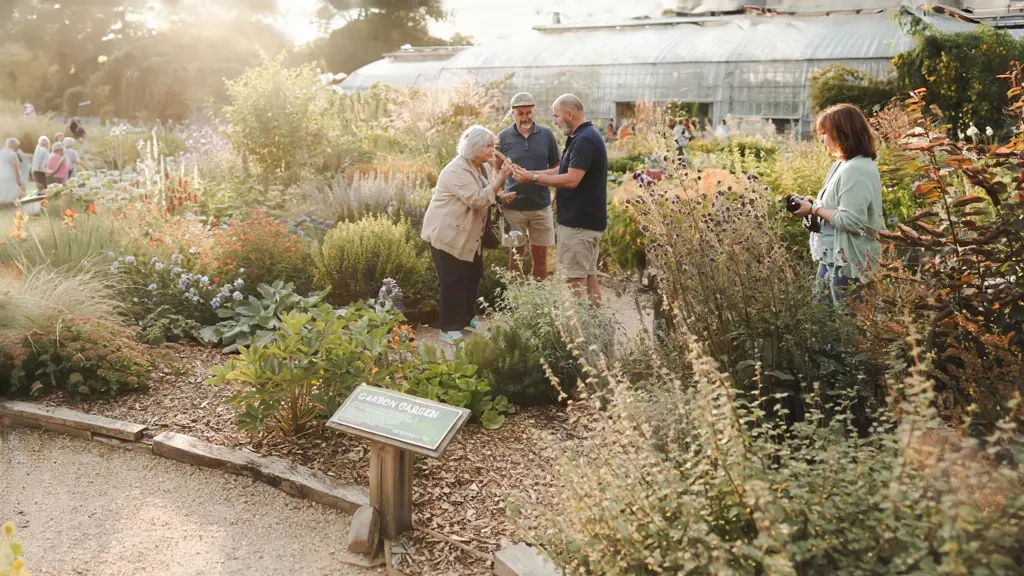
The Kew Gardens Carbon Garden has reached its first birthday, and the 35 trees and more than 6,500 plants installed last summer are now fully established. What began as bare earth and promise has become a richly planted space that weaves together colour, scent, and a story about how vegetation responds to climate change. If you have been looking for a walk that combines beauty with something to think about, this relatively new corner of the Gardens is worth your time.
The garden opened on 24 July 2026 and has spent the past twelve months settling in.
What the Carbon Garden actually shows you
This is not a traditional botanical display.
The Carbon Garden has been designed to illustrate the scale of the climate crisis through living plants. Each of the 35 tree species and thousands of perennials has been chosen for its role in carbon storage, soil health, or climate resilience. You will find familiar natives alongside species from regions already experiencing warmer, drier conditions. The layout moves from plants that thrive in current Richmond conditions to those that may become more common here as temperatures shift. It is a working demonstration, not a lecture.
The garden offers a practical education in what plants can and cannot do as the climate changes around them.
How it fits into your existing Kew visit
The Carbon Garden sits within the main Kew Gardens site, accessible with standard admission.
If you walk regularly at Kew, you will find this addition near the Princess of Wales Conservatory. The planting has matured enough that the garden now delivers the sensory experience the designers intended: texture, fragrance, and seasonal colour alongside the educational thread. It works as a standalone destination for a shorter visit or as part of a longer afternoon exploring the wider grounds. Signage throughout explains the choices behind each planting zone, so you can engage as deeply or as lightly as you prefer.
It adds a contemporary layer to Kew's historic landscape without competing with it.
What this means for you
If you are planning a visit to Kew in the coming months, allow twenty to thirty minutes to walk through the Carbon Garden and read the interpretation panels. The garden is fully accessible and works well as an early stop before the site becomes busier. For those interested in climate-adapted planting for their own gardens, the plant labels include species names and growing conditions, which you can note down or photograph. Kew’s main website lists seasonal highlights, so you can time your visit to catch specific plants in bloom.
The Carbon Garden has moved from concept to established landscape in twelve months. It gives Richmond residents a local, walkable way to see how gardens might adapt to a warming climate, and it does so without sacrificing beauty or interest.
Frequently asked questions
Is the Carbon Garden included in standard Kew Gardens admission?
- Yes, the Carbon Garden is part of the main Kew Gardens site and requires no separate ticket. Standard adult admission applies.
How long does it take to walk through the Carbon Garden?
- Most visitors spend between twenty and thirty minutes in the garden if they stop to read the interpretation panels. You can walk through more quickly if you prefer.
Are the plants labelled with their names and growing requirements?
- Yes, each plant is labelled with its botanical name, common name where applicable, and a summary of its growing conditions and climate relevance.
Can I take photographs in the Carbon Garden?
- Photography for personal use is welcome throughout Kew Gardens, including the Carbon Garden. Commercial photography requires prior permission from Kew.
Useful resources
Castelnau Dentists
Castelnau Dentists is a well-regarded dental practice situated at 200 Castelnau in Barnes, SW13, serving the local community with patient-centred care delivered by a team of dentists and hygienists. The…
The Bench
The blossom streets of Richmond turn white and pink
The blossom streets of Richmond turn white and pink every spring, usually in late March or early April. Cherry, plum, and ornamental pear trees line the avenues. The petals fall like snow when the wind picks up. You see it best on quiet residential roads: Sheen Lane, the streets behind Kew Green, the avenues near […]
Local groups