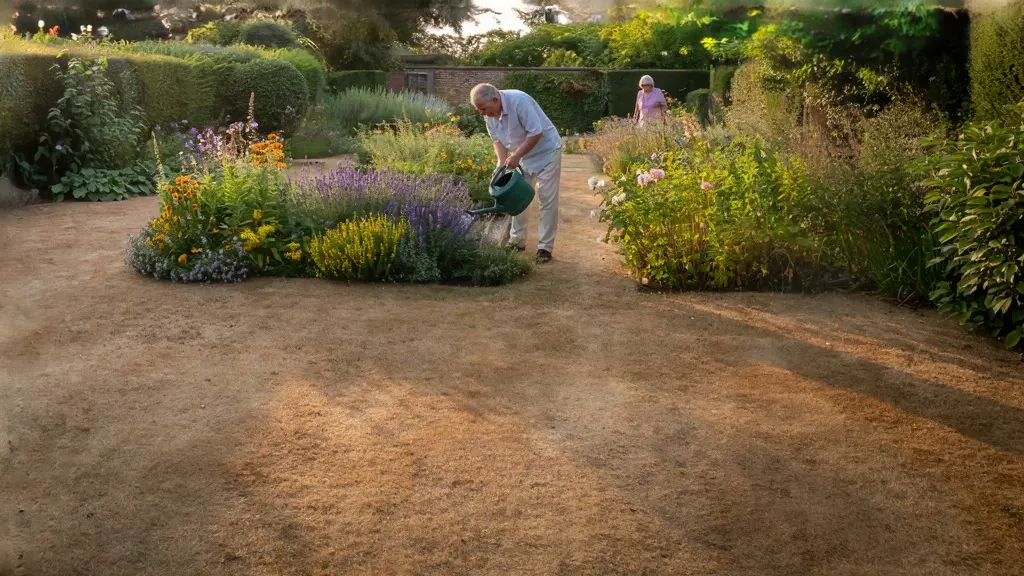
The July 2026 drought in Richmond has made local weather history. Not a single drop of rain fell at Kew Gardens during the entire month, the first time that has happened in any calendar month since the weather station opened in 1871. Readings from the Environment Agency’s Hogsmill gauge in Surbiton confirm the picture across our corner of south west London.
Kew’s weather station has been recording rainfall for 155 years, making this the longest dry spell in local records.
What the records show
Kew Gardens has measured rainfall continuously since 1871.
Third party analysis of Met Office data collected at the site confirms that July 2026 was the first calendar month on record with zero rainfall. The Environment Agency’s Hogsmill rain gauge in Surbiton, which covers a wider catchment area across south west London, recorded the same result. While a few areas of the capital saw the briefest of showers during July, the big picture is clear: our part of London has entered an unusually prolonged dry period.
The question now is not whether July was dry, but what August and September will bring.
What happens next
Water companies and councils typically begin planning for restrictions after sustained dry periods.
Thames Water has not yet announced formal measures, but the timeline for voluntary conservation requests usually begins around six to eight weeks into a dry spell. Richmond Park’s ponds and grasslands are already showing visible stress, with the Royal Parks team adjusting their maintenance schedules to protect established trees and wildlife habitats. Allotment holders across Ham, Petersham and Twickenham are already adapting their watering routines, focusing on established plants rather than new sowings.
If you have not yet fitted a water butt to your downpipe, the irony is that now, while it is dry, is the time to install one ready for when rain does return.
How we got here
- 1871
- Kew Gardens weather station begins continuous rainfall records
- 1976
- Benchmark drought year, but all months recorded some rainfall
- 1995
- Severe drought leads to widespread hosepipe bans across London
- 2026
- Summer heatwave causes water stress but monthly rainfall never reaches zero
- July 2026
- First calendar month with zero recorded rainfall at Kew since records began
The head gardener at the Isabella Plantation in Richmond Park told colleagues last week that the usually lush woodland garden has required emergency watering for the first time in a decade. Ancient rhododendrons, which typically thrive on ambient moisture, are showing leaf curl that signals significant water stress.
How this compares historically
London has faced serious droughts before, but none began quite like this.
The 1976 drought remains the benchmark for sustained dry weather, but even that summer saw occasional rainfall at Kew. The 1995 dry spell and the 2026 heatwave both caused water stress across the south east, yet monthly totals never reached absolute zero. What makes July 2026 unusual is not just the heat, but the complete absence of any measurable precipitation across an entire calendar month. Climate scientists have noted that while individual dry months can occur naturally, the pattern of increasingly frequent dry spells aligns with long-term projections for southern England.
The precedent suggests that when restrictions do arrive, they tend to last weeks rather than days, so adjusting your habits now makes practical sense.
What this means for you
Check your water meter reading now and compare it in two weeks to understand your current usage before any restrictions arrive. If you have not already done so, redirect bath water to garden plants using a bucket, focus watering on early mornings or late evenings to reduce evaporation, and prioritize trees and established shrubs over lawns, which recover faster after drought. Thames Water’s website has a notification signup for your postcode that will alert you to any planned restrictions or voluntary measures. Richmond Council’s parks team has asked residents to report any significant tree stress, particularly on street trees, through the My Richmond online portal so they can prioritize emergency watering. If you manage an allotment, now is the time to mulch heavily around established plants and consider letting annual crops go if water becomes scarce, focusing your resources on perennials that will crop again next year.
The driest July in 155 years of records puts Richmond in uncharted territory, but the practical response remains the same: conserve water now, before you are asked to. The rain will return, the question is simply when, and how well prepared you are in the meantime.
What officials call ‘prolonged dry conditions’ means your garden hose restrictions may arrive sooner than usual, and Thames Water’s language about ‘voluntary conservation measures’ is worth watching closely in the weeks ahead.
Frequently asked questions
Will there be a hosepipe ban in Richmond?
- Thames Water has not yet announced formal restrictions, but prolonged dry periods typically lead to Temporary Use Bans (the formal term for hosepipe bans) after six to eight weeks without significant rainfall. The company usually gives at least two weeks’ notice before restrictions begin, and they apply across entire supply zones rather than individual boroughs. You can sign up for alerts on the Thames Water website to receive advance notice for your postcode.
Can I still water my garden during a drought?
- Yes, using a watering can or bucket is always permitted, even during Temporary Use Bans. Restrictions typically apply to hosepipes, sprinklers and automatic irrigation systems. The most effective approach is to water early in the morning or after sunset to minimize evaporation, focus on the root zone rather than leaves, and prioritize established trees and shrubs over lawns, which recover quickly once rain returns.
How does this compare to previous droughts?
- July 2026 is the first calendar month since Kew Gardens began keeping records in 1871 where zero rainfall was measured. The 1976 drought remains the longest sustained dry period, but even that year recorded some rain each month. The 1995 and 2026 droughts both led to hosepipe bans across London, but neither featured a completely dry month. This makes the current situation historically unusual, though the practical impacts depend on how long the dry spell continues.
What happens to Richmond Park during a drought?
- The Royal Parks team adjusts maintenance schedules to protect established trees and wildlife habitats during prolonged dry spells. Grassland is allowed to brown naturally, as it recovers quickly with rain, while resources focus on ancient trees and sensitive planted areas like the Isabella Plantation. Ponds may shrink, affecting some wildlife, but the park has weathered droughts before and the ecosystem is resilient. Visitors are asked not to light barbecues or discard cigarettes due to increased fire risk when vegetation is dry.
Should I be worried about my water supply?
- London’s water supply infrastructure is designed to handle dry periods, and Thames Water maintains strategic reserves. Temporary Use Bans (hosepipe bans) are a conservation measure to extend those reserves, not a sign of imminent supply failure. In extreme circumstances, if drought conditions persist for many months, the next stage would be non-essential use restrictions for businesses, followed only in the most severe scenarios by rota cuts or standpipes. The current situation is serious enough to warrant conservation but not panic.
Useful resources
Castelnau Dentists
Castelnau Dentists is a well-regarded dental practice situated at 200 Castelnau in Barnes, SW13, serving the local community with patient-centred care delivered by a team of dentists and hygienists. The…
The Bench
The last tomatoes in Richmond gardens are coming indoors
The last tomatoes in Richmond gardens are coming indoors now, bundled in newspaper or lined up on kitchen windowsills. The green ones will never see another warm day outdoors. But they will ripen. Slowly, reluctantly, they turn from hard jade to blushing orange to full, soft red. You pick them before the first frost. That […]
Local groups