Your stretch of the Thames between Teddington Lock and upstream is part of a new five-year Thames action plan Richmond residents can now follow. Environmental charity Thames21 and its partners have launched the Maidenhead to Teddington Catchment Action Plan, setting out practical steps to restore water quality, wildlife habitats, and riverside access along the river and its tributaries through to 2026.
Thames21 developed the plan through the Catchment Based Approach, identifying key environmental challenges and setting a framework for collaborative intervention over the next five years.
What the plan addresses
The restoration framework targets three main challenges.
The plan focuses on improving water quality, which has declined due to pollution from both urban runoff and agricultural sources upstream. It also addresses habitat loss along the riverbanks, where native wildlife has struggled as invasive species have taken hold. A third priority is improving public access to the Thames and its tributaries, particularly where footpaths have become overgrown or damaged. The five-year timeline allows for phased improvements, with early interventions expected to focus on pollution monitoring and habitat surveys.
The collaborative nature of the plan means multiple organisations will contribute expertise and resources, rather than leaving the work to a single agency.
How Richmond fits into the catchment
Richmond sits within the lower portion of this catchment zone.
Your local Thames frontage from Teddington Lock westward falls under the plan’s scope, as do smaller waterways that feed into the main river. The action plan treats the entire system as interconnected, recognising that improvements upstream affect conditions in Richmond, and that local interventions here benefit downstream communities. Thames21 has worked in Richmond before, running volunteer clean-up days and citizen science projects that monitor water quality. This new five-year plan gives that work a formal structure and secures funding commitments from partner organisations.
If you walk regularly along the Thames Path or use Ham Lands, you may notice survey teams or habitat restoration work beginning over the coming months.
What this means for you
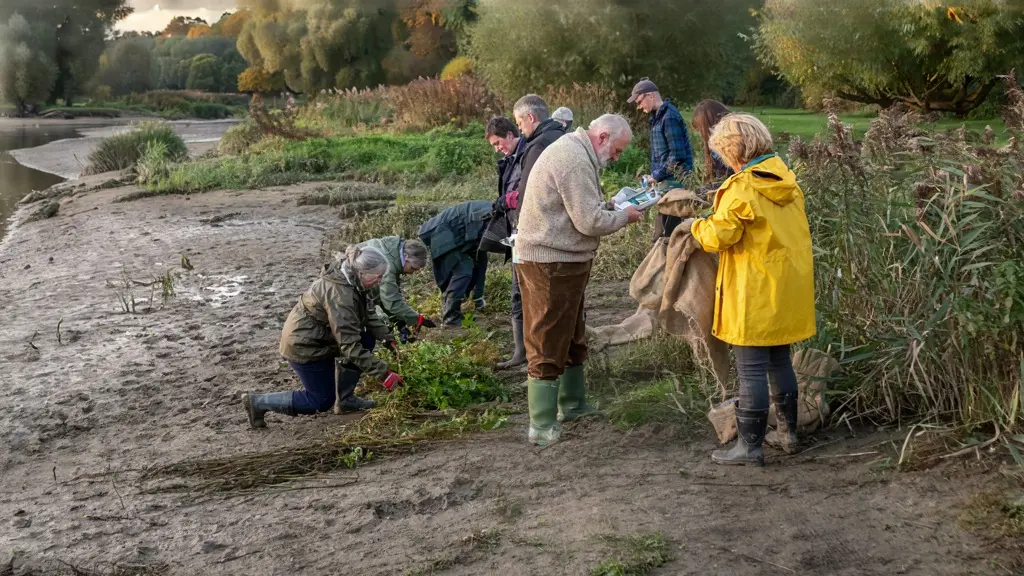
Thames21 relies heavily on volunteer involvement for monitoring and practical restoration work. You can register your interest in citizen science projects through their website, which often include water quality testing along Richmond’s riverbanks or wildlife surveys in areas like Petersham Meadows. The charity typically announces volunteer days several weeks in advance, with no prior experience required. If you prefer to stay informed rather than participate directly, Thames21 publishes progress reports on the catchment plan that detail which sections are being worked on and what early findings show. Richmond Council’s environment team also receives updates, which are discussed in public planning and environment committee meetings you can attend or watch online.
The five-year timeline means this is not a quick fix but a sustained effort to reverse decades of decline. Your involvement, whether through volunteering or simply staying informed about which stretches are being restored, helps ensure local priorities are heard as the plan unfolds.
The catchment includes not just the main Thames but also local tributaries that flow through Richmond’s green spaces and neighborhoods, meaning improvements will touch multiple points along your regular riverside walks.
Frequently asked questions
Which parts of Richmond are included in the catchment plan?
- The plan covers the Thames from Teddington Lock westward through Richmond, plus any tributaries that flow into the main river within this zone. This includes waterways near Ham Lands and Petersham Meadows.
Will the restoration work restrict access to riverside paths?
- Some sections may have temporary diversions during active restoration work, but improving public access is one of the plan’s three main goals, so long-term access should improve rather than decline.
How is the five-year plan funded?
- Thames21 developed the plan with multiple partner organisations who contribute funding and resources. Specific budget details are typically published in the full catchment plan document available on the Thames21 website.
Can I report pollution or problems I notice along the Thames?
- Yes. Thames21 encourages residents to report pollution incidents through their website, and the Environment Agency operates a 24-hour hotline for serious pollution events that require immediate response.
Useful resources
Castelnau Dentists
Castelnau Dentists is a well-regarded dental practice situated at 200 Castelnau in Barnes, SW13, serving the local community with patient-centred care delivered by a team of dentists and hygienists. The…
The Bench
The sounds of the seasons in Richmond
The sounds of the seasons in Richmond arrive before you see them. A swift’s scream high over the river in May tells you summer is coming. The first roar of a stag in Richmond Park means October has turned. These are the voices of the borough’s calendar. You learn them without trying. The dawn chorus […]
Local groups
Borough of Twickenham Local History Society
The Borough of Twickenham Local History Society is a community organisation dedicated to exploring, preserving and sharing the rich history of Twickenham…
The Richmond Society
The Richmond Society is a civic and community organisation dedicated to preserving and enhancing the character of Richmond and its surroundings. It…
Teddington Wine Society
The Teddington Wine Society is a community group based at the Landmark Arts Centre in Teddington, TW11 9NN, bringing together local residents…