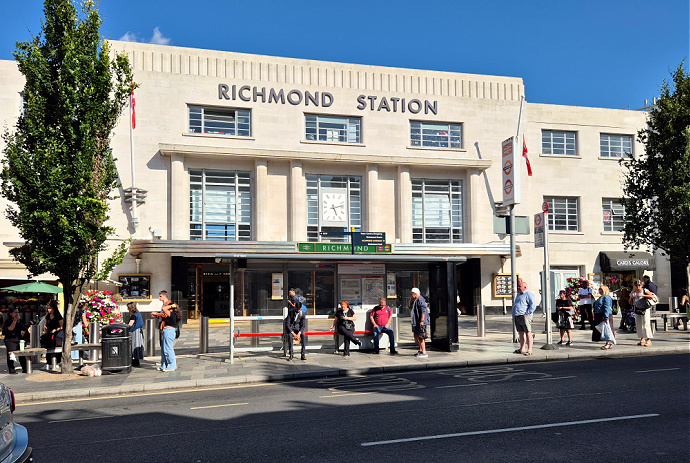
Your Richmond station explained: what runs where, and when
Richmond station sits at the heart of your journeys, whether you are heading into Waterloo for work, catching the District line across town, or simply meeting friends at Kew. Yet the station’s layout, its two separate rail operators, and the web of routes passing through can puzzle even long-standing residents. Here is how the pieces fit together, and what you need to know before your next trip.
Richmond station operates as both a National Rail terminus and a London Underground stop, with South Western Railway managing the main station while the District line runs its own platforms.
The two sides of Richmond station
Richmond is effectively two stations under one roof.
South Western Railway operates platforms 1 through 6, serving routes to London Waterloo, Clapham Junction, and onwards to destinations including Windsor, Reading and Weybridge. The District line occupies its own dedicated platforms to the north of the main station building, running through Richmond as part of the Ealing Broadway to Upminster route. The two systems share ticketing barriers and a common concourse, but operate entirely separate tracks. If you are travelling into central London, you have a choice: South Western trains offer a faster direct route to Waterloo (around 20 minutes), while the District line connects you to the Circle, Metropolitan and other Underground lines at various interchange stations.
Knowing which side of the station serves your destination is the single most useful local knowledge for avoiding the wrong platform on a busy morning.
Routes and services through Richmond
South Western Railway runs several distinct routes through Richmond.
The main service is the Waterloo to Reading line, calling at Richmond throughout the day with trains continuing west through Twickenham, Feltham and Staines towards Windsor and Reading. You will also find services terminating at Richmond from Waterloo, particularly during off-peak hours and weekends. A separate route connects Richmond to Stratford via Clapham Junction and the London Overground network, useful if you are heading east across London without changing at a central station. Frequencies vary by time of day, but you can typically expect multiple South Western trains per hour on weekdays. The District line runs every few minutes during peak times, offering reliable if slightly slower access to destinations including Earl’s Court, Victoria (change at South Kensington), and the City via Tower Hill.
Your choice of train often comes down to where exactly you need to be: direct and fast for Waterloo, more flexible connections if you are heading elsewhere in town.
What this means for you
Check your route before you travel, particularly if you are visiting somewhere new. South Western Railway and the District line both appear on most journey planners, but their departure platforms, ticket acceptance and journey times differ significantly. If you hold a contactless payment card or Oyster, both services accept it for journeys within the London fare zones. For travel beyond zone 6 or to destinations like Windsor or Reading, you will need a separate National Rail ticket from South Western Railway. The station has ticket machines for both operators, staffed ticket offices during core hours, and step-free access to most platforms via lifts, though the District line platforms involve a longer walk from the main concourse. If you have mobility concerns or heavy luggage, allow extra time.
Richmond station serves you well once you understand its split personality: National Rail for speed and reach, Underground for network flexibility. Plan according to your destination, and you will find your journey straightforward.
If you rely on Richmond station for your daily commute or regular trips, understanding which services run from which platform, and how South Western Railway and London Underground share the space, can save you time and frustration when plans change.
Frequently asked questions
How long does it take to get from Richmond to Waterloo?
- South Western Railway trains take approximately 20 minutes direct to London Waterloo during normal service. The District line takes considerably longer, around 50 minutes with multiple stops, but offers more frequent departures and connections to other Underground lines.
Can I use my Oyster card on both South Western Railway and the District line at Richmond?
- Yes, Oyster cards and contactless payment work on both services within the London fare zones. Richmond sits in zone 4, so your fare is calculated accordingly. For South Western Railway journeys beyond zone 6, you will need to purchase a separate ticket or ensure your Oyster has the correct extension loaded.
Which platform do I need for trains to Windsor or Reading?
- South Western Railway trains to Windsor and Reading depart from platforms 1 to 6, the main National Rail side of the station. Check the departure boards when you arrive, as platform allocations change. These are not Underground services, so do not head to the District line platforms.
Is Richmond station accessible for wheelchair users?
- Richmond station has step-free access to most platforms via lifts, and staff are available to assist during staffed hours. The District line platforms require a longer route from the main entrance. If you need assistance, contact South Western Railway or Transport for London in advance to arrange support, particularly during busy periods.
Useful resources
Castelnau Dentists
Castelnau Dentists is a well-regarded dental practice situated at 200 Castelnau in Barnes, SW13, serving the local community with patient-centred care delivered by a team of dentists and hygienists. The…
The Bench
The first leaves turning in Richmond gardens
The first leaves turning in Richmond gardens signal autumn’s arrival with quiet certainty. Horse chestnuts at Marble Hill Park show yellow edges. Lime trees along the towpath glow amber in late afternoon light. The change creeps in slowly, then all at once. You notice it first in the morning. Shadows stretch longer across the lawn. […]
Local groups