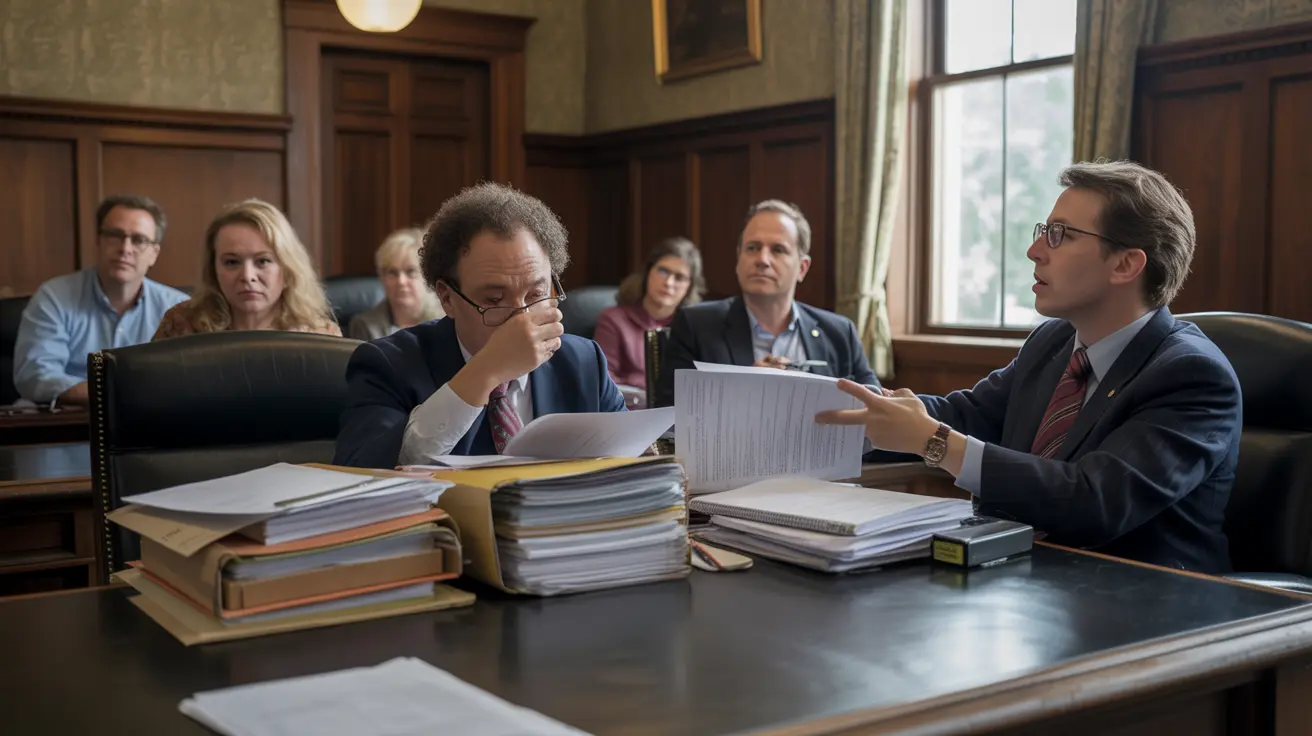
Richmond council tax levy will account for a disproportionate share of the government’s new charges on high-value homes, alongside just three other London boroughs. Council leaders have written to the Chancellor warning that 55% of the projected revenue from the so-called mansion tax will come from Richmond, Kensington and Chelsea, Wandsworth and Westminster when it takes effect in April 2026.
The high value council tax surcharge will add between £2,500 and £7,500 annually to properties worth more than £2m.
How the mansion tax will work
The levy will apply to residential properties valued above £2m. Properties worth £2m to £5m will pay an additional £2,500 per year, rising in bands to a top rate of £7,500 for homes valued over £10m. The charges will be collected alongside existing council tax bills and come into force in April 2026. A Treasury spokesperson defended the measure as addressing “a long-standing unfairness” in the council tax system, where bands have not been updated since 1991 despite significant property price growth, particularly in London. The government expects to raise approximately £1.2 billion annually once the scheme is fully operational.
Why Richmond faces the largest share
Richmond’s council leader joined counterparts from three other west London boroughs to raise concerns about the geographical concentration of the charge. The four councils argue that their combined contribution of 55% creates an unfair regional burden, given that the revenue will flow into general government funds rather than being ring-fenced for local services. Richmond has a higher proportion of properties valued above £2m than most other London boroughs, concentrated in areas such as Richmond Hill, Petersham and parts of East Sheen.
The council leaders have requested a meeting with the Chancellor to discuss whether any portion of the revenue could be returned to contributing boroughs to support local infrastructure and services.The letter stops short of opposing the policy outright, focusing instead on how the funds will be distributed once collected.
How we got here
- March 2026
- Chancellor announces high value council tax surcharge in Budget
- August 2026
- Richmond and three other council leaders write to Treasury with concerns
- Late 2026
- Detailed regulations to be published
- 2026
- Property revaluations and new council tax bands issued
- April 2026
- Mansion tax takes effect
A four-bedroom Victorian house on Richmond Hill currently valued at £2. 8m would face an additional £2,500 per year under the new scheme, bringing total annual council tax to approximately £5,000 depending on the final band assigned.
What happens next
The Treasury is expected to respond to the four councils within the next month. No formal consultation on the mansion tax is planned, as the policy was announced in the 2026 Budget and has already received parliamentary approval in principle. However, the detailed regulations governing valuation methods and appeals processes are still being finalised and will be published before the end of this year. Property owners will receive updated council tax bands during 2026, giving them a full financial year to prepare before the first enhanced bills are issued in April 2026. If you believe your property has been incorrectly valued, you will have the right to challenge the assessment through the Valuation Office Agency, though the grounds for appeal and timescales have not yet been confirmed.
What this means for you
If you own a property in Richmond currently valued near the £2m threshold, consider obtaining a professional valuation before the official assessments begin in 2026. You can use the Land Registry’s house price data for your street as a starting point. If your property is likely to be affected, factor the additional cost into your household budget planning now rather than in early 2026. When the Valuation Office Agency publishes the appeals process later this year, make a note of the deadlines and grounds for challenge. If you are considering selling or downsizing, be aware that properties just above the £2m threshold may become harder to market as the 2026 deadline approaches, while those comfortably below it may hold their appeal more strongly.
Richmond residents with high-value properties will start receiving new council tax assessments next year, with enhanced charges taking effect from April 2026. The council’s discussions with the Treasury may influence how the revenue is used, though not the underlying policy itself.
The government’s council tax premium follows similar measures already operating in other parts of the country, where empty homes and second properties attract surcharges.
Frequently asked questions
How will my property be valued for the mansion tax?
- The Valuation Office Agency will conduct a revaluation exercise during 2026 based on current market values, not the original 1991 bands. You will receive written notification of your new valuation with details of how to appeal if you disagree.
Does the £2m threshold apply to the land or just the building?
- The valuation covers the entire residential property including land, buildings and any structures within the curtilage such as garages or outbuildings. Garden land is included if it forms part of the residential plot.
Can I pay the additional charge in instalments?
- Yes, the mansion tax will be added to your existing council tax bill and spread across the same payment schedule, typically ten monthly instalments from April to January each year.
What if my property value drops below £2m before 2026?
- The valuation will be based on market values assessed during 2026. If prices fall significantly between the valuation date and April 2026, you will have grounds to request a reassessment, though the exact appeals process has not yet been confirmed.
Will the revenue from Richmond stay in the borough?
- No, the mansion tax revenue will go into general Treasury funds. Richmond council is lobbying for a portion to be returned to contributing boroughs, but no commitment has been made by the government.
Useful resources
Castelnau Dentists
Castelnau Dentists is a well-regarded dental practice situated at 200 Castelnau in Barnes, SW13, serving the local community with patient-centred care delivered by a team of dentists and hygienists. The…
The Bench
The last tomatoes in Richmond gardens are coming indoors
The last tomatoes in Richmond gardens are coming indoors now, bundled in newspaper or lined up on kitchen windowsills. The green ones will never see another warm day outdoors. But they will ripen. Slowly, reluctantly, they turn from hard jade to blushing orange to full, soft red. You pick them before the first frost. That […]
Local groups