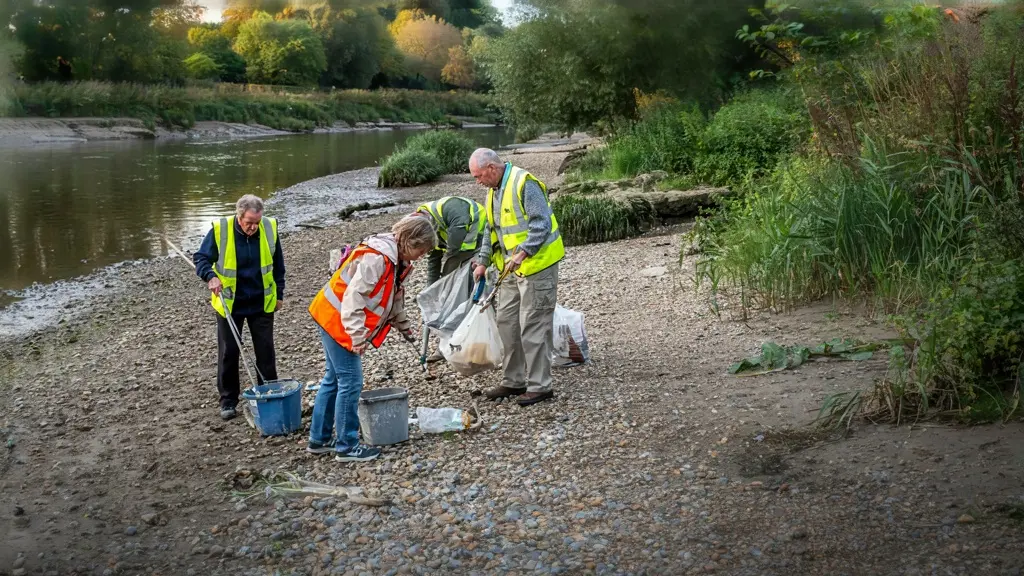
The Thames clean-up plan Richmond residents have been calling for has finally arrived, with £1. 8bn pledged to tackle decades of sewage pollution along the waterway that defines our borough. Since 2026, at least 72 billion litres of untreated sewage have been discharged into the Thames, a figure that touches every riverside walk from Petersham Meadows to the towpath at Mortlake, and the new ten-year strategy promises action on the infrastructure failures that have allowed it to continue.
Mayor Sadiq Khan announced the strategy alongside water companies, boroughs and environmental charities, with an additional £2. 7m from City Hall over three years.What the plan promises for the Richmond stretch
The £1. 8bn commitment targets sewage overflows, industrial pollution and urban runoff across London’s waterways. For Richmond upon Thames, that means attention on the combined sewer outfalls that discharge into the Thames during heavy rainfall, particularly the ageing Victorian infrastructure between Kew and Twickenham. Thames Water has pledged investment in natural sustainable drainage systems, similar to those planned for the Upper Lea Valley, which use wetlands and floodplains to filter runoff before it reaches the river. The plan also includes improved monitoring, so residents will be able to see real-time pollution data for specific stretches of the Thames. Richmond’s stretch has suffered visibly in recent years: algae blooms in summer, reduced fish populations, and the closure of sections to wild swimmers during storm overflow events. The question now is whether ten years is fast enough for a river that serves as both your front garden and your neighbour’s recreation ground.The context: how we got here
Sewage discharges into the Thames are not new, but the scale has worsened. BBC News revealed in 2023 that at least 72 billion litres had been dumped since 2020, though campaigners believe the true figure is higher due to monitoring gaps. Richmond residents have raised the issue repeatedly at council meetings, particularly after high-profile closures of the Thames Path due to pollution warnings. The borough’s combined sewers, designed in the 19th century for a much smaller population, now overflow routinely when rainfall exceeds capacity, sending untreated waste straight into the river. Environmental groups including Thames21 have documented the impact on wildlife, and rowers from local clubs have reported illness after contact with the water. The Mayor’s plan comes after years of pressure from London boroughs, including Richmond, which passed a motion in 2025 demanding urgent action from Thames Water and the Environment Agency. For a borough that built its identity around the river, the neglect has felt personal.How we got here
- 2020-2023
- At least 72 billion litres of sewage discharged into the Thames, with Richmond’s stretch affected during storm overflow events.
- 2025
- Richmond Council passes motion calling for urgent action on Thames pollution and improved monitoring.
- January 2026
- Mayor announces £1. 8bn ten-year clean-up plan, with Thames Water, boroughs and charities committing funding.
- Spring 2026
- Richmond Council to hold consultations on local river improvement priorities.
- 2028 onwards
- First infrastructure projects expected to deliver visible water quality improvements.
The towpath between Kew Bridge and Richmond Bridge, popular with morning walkers and cyclists, has been temporarily closed three times in the past two years due to pollution warnings after heavy rain. Local rowing clubs, including Tideway Scullers School and Kingston Rowing Club, have raised concerns about members falling ill after contact with the water during training sessions.
What happens next, and where the gaps remain
The ten-year timeline means visible improvements are unlikely before 2027. Infrastructure projects of this scale require planning permission, environmental assessments, and coordination between Thames Water, the boroughs, and the Port of London Authority. Richmond Council has indicated it will prioritise natural flood management and green infrastructure over concrete solutions, which aligns with the borough’s character but may take longer to deliver results. The £1.8bn sounds substantial, but it is spread across the entire capital, and no breakdown has yet been published showing how much will reach Richmond’s 13-mile Thames frontage. There is also the question of accountability: Thames Water has made similar commitments before, and residents will want to see enforceable milestones, not just pledges. The plan does not address private pollution sources, such as misconnected drains in older properties, which contribute to localised problems along tributaries like the Crane and the Beverley Brook. The promise is real, but so is the need to watch carefully that it translates into cleaner water at Petersham, not just better headlines at City Hall.What this means for you
Richmond Council held public consultations on river improvements in spring 2026, and your input shapes which stretches get priority funding. If you use the Thames Path regularly, report pollution or debris through the Thames21 app, which feeds directly into the Environment Agency’s monitoring. Check the Safer Swimming page on the Thames Water website before wild swimming, as real-time data will be added during 2026. If you live near a tributary like the Beverley Brook or the Crane, consider a free drain survey through Thames Water’s misconnection team, as fixing household drainage reduces the load on the main system. Finally, if you are involved in a residents’ association or community group, now is the time to press your councillor for transparency on how much of the £1. 8bn will actually reach Richmond, and for enforceable milestones, not just aspirational targets. The Thames clean-up plan is the most significant commitment to the river in a generation, and Richmond stands to benefit if the money follows the promises. The next few months are your chance to make sure it does.The timing matters because the first tranche of investment decisions will be made in early 2027, and Richmond Council has confirmed it will hold consultations on local river improvements by spring, giving you a narrow window to shape which stretches get priority.
Frequently asked questions
-
When will I see cleaner water along the Richmond Thames?
- Visible improvements are unlikely before 2028, as infrastructure projects require planning permission and environmental assessments. The Mayor’s plan runs for ten years, with the first phase focusing on monitoring and design work. Richmond Council has said it will prioritise natural flood management, which takes longer to implement than concrete solutions but fits better with the borough’s green spaces.
-
How much of the £1.8bn is coming to Richmond?
- No breakdown by borough has been published yet. The £1. 8bn is spread across all of London’s waterways, including the Thames, the Lea, and smaller rivers. Richmond Council has confirmed it will seek detailed funding commitments, so pressing your councillor for transparency now will help ensure the borough gets a fair share.
-
Can I still swim in the Thames at Richmond?
- Wild swimming is not officially designated along the Richmond stretch, and current pollution levels make it risky, particularly after heavy rain when sewage overflows occur. Thames Water is rolling out real-time pollution monitoring during 2026, which will give you better information before entering the water. Check the Safer Swimming page on their website for updates.
-
What causes sewage to overflow into the Thames?
- Richmond’s Victorian combined sewers carry both rainwater and sewage in the same pipes. During heavy rainfall, the system exceeds capacity and overflows directly into the Thames to prevent flooding in homes. The clean-up plan aims to reduce these events by installing sustainable drainage systems that absorb and filter rainwater before it reaches the sewers.
-
How can I have my say on the clean-up plan?
- Richmond Council will hold public consultations on local river improvement priorities. You can also submit comments directly to the Mayor’s office through the London.gov.uk consultation portal, and join local campaigns run by Thames21 or the Richmond Society. Attending your neighbourhood planning forum meetings is another effective route, as these groups feed directly into council decision-making.
Useful resources
Castelnau Dentists
Castelnau Dentists is a well-regarded dental practice situated at 200 Castelnau in Barnes, SW13, serving the local community with patient-centred care delivered by a team of dentists and hygienists. The…
The Bench
The last tomatoes in Richmond gardens are coming indoors
The last tomatoes in Richmond gardens are coming indoors now, bundled in newspaper or lined up on kitchen windowsills. The green ones will never see another warm day outdoors. But they will ripen. Slowly, reluctantly, they turn from hard jade to blushing orange to full, soft red. You pick them before the first frost. That […]
Local groups