Twickenham Stadium concerts could become a regular fixture under the RFU’s latest planning application, which proposes up to 15 non-sporting events each year as part of a £660m redevelopment scheme. Councillors have already voiced concerns that the proposal fails to address the impact on residents, and local pushback is mounting as the application moves through Richmond Council’s planning process. If approved, your neighbourhood could see concerts and other large-scale events nearly every three weeks during the summer months.
The Rugby Football Union submitted its planning application to Richmond Council this summer, seeking permission to stage non-sporting events at Twickenham for up to 15 days annually.
What the RFU is proposing
The application forms part of the RFU's £660m masterplan to redevelop Twickenham Stadium.
The union wants to expand beyond rugby internationals and use the 82,000-capacity venue for concerts and other entertainment events, arguing the additional income is essential to funding grassroots rugby programmes and maintaining the stadium itself. Similar venues across the country have already made this shift: Arsenal’s Emirates Stadium hosts concerts, as does Tottenham Hotspur Stadium, while Cardiff’s Principality Stadium regularly stages major music events alongside sport. The RFU’s proposal would bring Twickenham in line with these multi-use venues, transforming it from a specialist rugby ground into a year-round entertainment destination.
The financial argument is straightforward, but it shifts the burden of that business model onto the surrounding residential streets.
Why councillors are concerned
Local councillors have raised objections, saying the application does not adequately address the impact on residents living near the stadium.
Concerns centre on noise pollution, traffic congestion, parking overspill into residential areas, and antisocial behaviour associated with large concerts. Unlike rugby matches, which typically finish in early evening, concerts can run late into the night, and the demographics of concert-goers often differ significantly from rugby supporters in terms of arrival and departure patterns. Councillors argue that the application lacks sufficient detail on how these impacts will be managed, monitored, and mitigated. Richmond Council, which has jurisdiction over planning decisions affecting the borough, will need to weigh the economic benefits to the RFU against the quality of life for residents in Twickenham and surrounding areas.
The application may be the RFU's to submit, but the decision ultimately rests with local representatives accountable to you.
How we got here
- Summer 2026
- RFU submits planning application to Richmond Council for up to 15 non-sporting events per year
- Late 2026
- Local councillors publicly raise concerns about impact on residents
- Ongoing
- Public consultation period allows residents to submit objections or support
Whitton Road and the surrounding streets have already experienced the strain of major rugby internationals, when thousands of supporters walk from Twickenham station to the ground. Residents there are particularly concerned about what 15 concerts would mean for their already-pressured parking and the condition of their streets after events.
What residents are saying
Opposition is building among local residents' associations and community groups.
Residents point to previous one-off concerts at the stadium as evidence that the infrastructure and transport links cannot comfortably accommodate 15 large-scale events each year. Complaints from past concerts have included noise audible several miles away, roads gridlocked for hours after events, and public urination and litter in residential streets. Some residents question whether the promised economic benefits will reach the local community or simply line the RFU’s coffers while neighbourhoods bear the disruption. Others are more pragmatic, accepting that occasional concerts are tolerable but arguing that 15 events crosses the line from occasional use to regular commercial exploitation of a residential area.
The stadium has been part of Twickenham for nearly a century, but it was built for rugby, not rock concerts every fortnight.
The strength of the opposition will depend on how many residents translate concern into formal objections before the planning deadline.
What this means for you
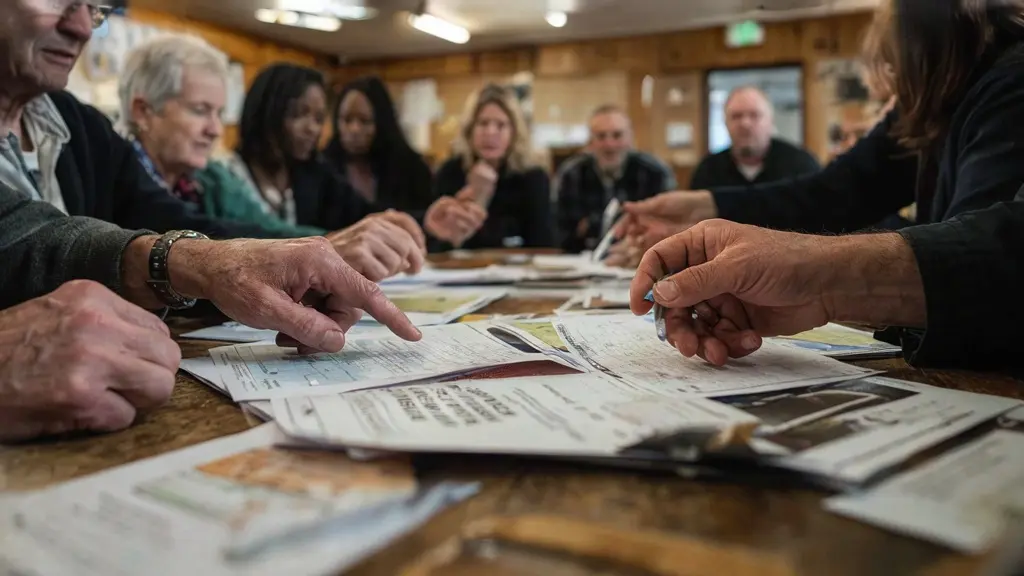
You can make your views known by submitting a formal comment on the planning application through Richmond Council’s planning portal. Search for the application using the reference number or the address ‘Twickenham Stadium, Rugby Road, Twickenham’ and follow the instructions to register your objection or support. Your submission will become part of the official record councillors must consider before reaching a decision. If you are concerned about specific impacts such as noise, traffic, or parking, state these clearly and provide examples from your own experience if relevant. You can also contact your local councillor directly to discuss the application and ensure your concerns are raised during council debates. Residents’ associations in Twickenham are coordinating responses, so joining or connecting with your local group can amplify your voice and keep you informed as the application progresses. The consultation period has a deadline, so act sooner rather than later if you want your view to count.
The RFU’s concert proposal puts Twickenham at a crossroads between commercial development and residential character. Your participation in the planning process is the most direct way to influence which direction the borough takes.
Fifteen events spread across a calendar year might sound modest, but the reality is more concentrated: these would cluster in the warmer months when outdoor events are viable, meaning residents near the stadium could face major disruption roughly every other weekend from May through September.
Frequently asked questions
How many concerts could Twickenham Stadium host each year?
- The RFU’s planning application requests permission for up to 15 non-sporting events annually. These would likely be concentrated in the summer months from May to September when outdoor events are most viable.
How do I object to the Twickenham Stadium concert plan?
- Visit Richmond Council’s planning portal and search for the Twickenham Stadium application. You can submit a formal objection online, which will be reviewed by planning officers and councillors before a decision is made. Include specific concerns such as noise, traffic, or parking in your submission.
When will Richmond Council decide on the concert proposal?
- The application is currently in the consultation phase. Richmond Council will review all submissions, hear from planning officers, and make a decision at a future planning committee meeting. The exact timeline depends on the volume of responses and any further information requested from the RFU.
What happens if Richmond Council approves the concerts?
- If approved, the RFU would be permitted to host up to 15 non-sporting events per year at Twickenham Stadium. The council would likely attach conditions covering noise limits, event finish times, traffic management, and resident liaison arrangements.
Has Twickenham Stadium hosted concerts before?
- Yes, the stadium has hosted occasional concerts in the past, but these have been one-off events rather than a regular annual programme. Residents have previously raised concerns about noise, traffic, and antisocial behaviour associated with these concerts.
Useful resources
Castelnau Dentists
Castelnau Dentists is a well-regarded dental practice situated at 200 Castelnau in Barnes, SW13, serving the local community with patient-centred care delivered by a team of dentists and hygienists. The…
The Bench
The last tomatoes in Richmond gardens are coming indoors
The last tomatoes in Richmond gardens are coming indoors now, bundled in newspaper or lined up on kitchen windowsills. The green ones will never see another warm day outdoors. But they will ripen. Slowly, reluctantly, they turn from hard jade to blushing orange to full, soft red. You pick them before the first frost. That […]
Local groups