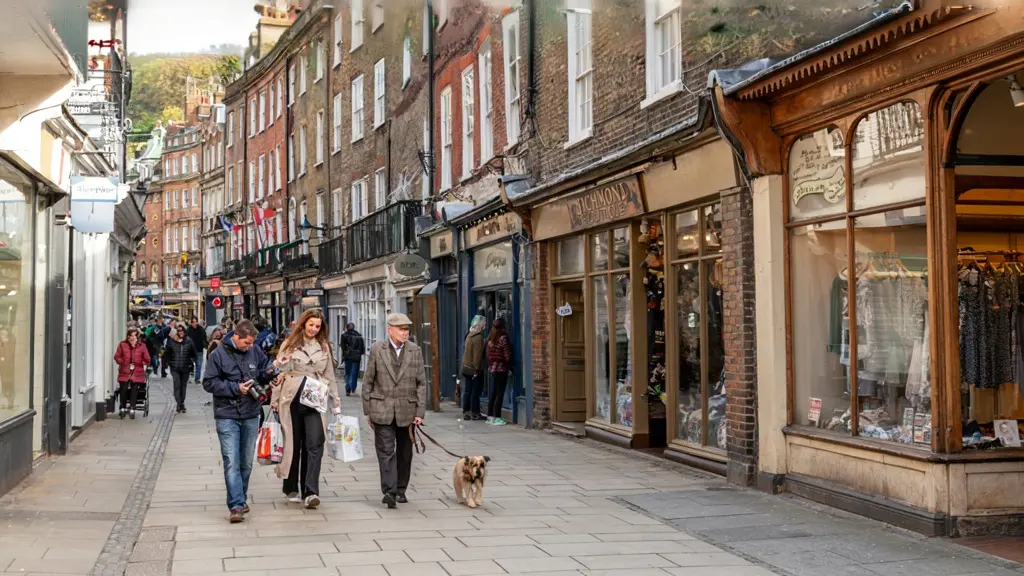
The proposed tourist tax in Richmond has prompted a sharp warning from council leader Gareth Roberts, who insists that money raised from visitors to the borough should not simply disappear into City Hall coffers. While Mayor Sadiq Khan has welcomed the Government’s plan to introduce a levy on London hotel stays, the Liberal Democrat councillor argues that Richmond’s unique appeal deserves direct reinvestment in the parks, riverside paths and cultural sites that draw people here in the first place.
The dispute centres on how revenue from a new visitor levy would be allocated between boroughs and the Greater London Authority.
What the council leader said
Councillor Roberts has been unequivocal in his opposition to the funding model.
Speaking after the Mayor’s endorsement of the tourist tax, he said that for all the money to be taken out of Richmond and grabbed by the Mayor of London to add to his already swollen budget would be completely unacceptable. The concern reflects a long-standing tension between outer boroughs and City Hall over how centralised funding affects local services. Richmond attracts significant numbers of domestic and international visitors, drawn by the Royal Botanic Gardens at Kew, Richmond Park, and the Thames riverside, yet faces the same budget pressures as other councils.
The principle at stake is whether the borough that generates tourism income should see a fair share reinvested locally, rather than pooled across the capital.
Why the tourist tax is being proposed
The Government has signalled support for a modest levy on hotel and short-term rental stays in London, following models used in cities across Europe.
Proponents argue that visitors place demand on infrastructure, transport and public spaces, and that a small charge per night could help fund improvements to the services they use. For Richmond, this could mean contributions towards maintaining Richmond Park, improving riverside access, or supporting cultural venues. However, without a clear commitment that revenue stays local, the council fears the borough will effectively subsidise services elsewhere in London while its own facilities face continued budget constraints.
What remains unclear is whether the levy would be ring-fenced for tourism-related spending or absorbed into general mayoral funds.
How we got here
- September 2026
- Mayor Sadiq Khan welcomes Government proposal for a tourist tax in London
- September 2026
- Councillor Gareth Roberts publicly criticises the plan, warning revenue should not go entirely to City Hall
Consider the Royal Botanic Gardens at Kew, which draws hundreds of thousands of international visitors each year. While the Gardens themselves are independently managed, the surrounding infrastructure, including car parks, footpaths and local transport links, falls under council maintenance. A tourist levy that bypasses the borough would leave Richmond funding visitor amenities without seeing the benefit of increased revenue.
How other boroughs are responding
Richmond is not alone in raising concerns about the proposed funding structure.
Westminster and Camden, which also attract high visitor numbers, have similarly called for revenue to be retained locally or at least distributed according to tourism impact. The debate reflects a broader question about devolution within London: whether outer boroughs with distinct identities and attractions should have greater control over income generated within their boundaries. For Richmond, the argument is particularly pointed given the borough’s investment in maintaining internationally recognised green spaces that require ongoing upkeep.
The precedent set by this decision could shape how tourism revenue is managed across the capital for years to come.
What this means for you
If you are concerned about how tourism revenue might affect local services, the most direct route is to contact your local councillor or respond to any public consultations the council issues on the matter. Richmond Council has not yet announced a formal consultation on the tourist tax, but the issue is likely to feature in upcoming council meetings, which you can attend or watch online via the council website. You can also make your views known to the Mayor of London through the Greater London Authority’s consultation portal, particularly if you feel strongly that revenue should be retained locally. In the meantime, watch for statements from Councillor Roberts and other local representatives, as the debate is likely to intensify once the Government publishes detailed proposals. Your input at this stage, while the funding model is still being shaped, carries more weight than waiting until the system is already in place.
The debate over Richmond’s tourist tax centres on a principle many residents will recognise: whether the borough that maintains the parks and paths visitors enjoy should see the benefit when they pay to stay. How the revenue is divided will shape local services for years to come.
The practical concern is straightforward: if you live near Richmond Park, walk the towpath regularly, or rely on well-maintained green spaces, the question is whether tourist revenue will fund those assets or simply top up the mayoral budget.
Frequently asked questions
How much would the tourist tax cost per night?
- The Government has not yet confirmed the exact rate, but similar schemes in European cities typically charge between two and five pounds per night per room. The final amount will likely be set once the legislation is drafted.
Would the tax apply to all accommodation in Richmond?
- If implemented, the levy would likely cover hotels, bed and breakfasts, and short-term rentals such as those listed on booking platforms. Private stays with friends or family would not be affected.
When would the tourist tax come into effect?
- No start date has been announced. The proposal is still at the policy stage, and any implementation would require primary legislation and consultation with London boroughs.
Could Richmond receive any of the revenue directly?
- That remains the central question. Councillor Roberts is arguing for a funding model that returns revenue to the boroughs where it is raised, but the Mayor has not yet outlined how the money would be allocated.
How can I make my views known on the tourist tax?
- You can contact your local councillor directly, respond to any consultations issued by Richmond Council or the Greater London Authority, or attend council meetings where the issue is discussed. Details of upcoming meetings are published on the council website.
Useful resources
Aldwych Factors Ltd
David White Consulting, trading as Aldwych Factors Ltd, is a specialist business advisory practice focused on helping company owners and chief executives move beyond competing on price. Working with businesses…
The Bench
The sounds of the seasons in Richmond
The sounds of the seasons in Richmond arrive before you see them. A swift’s scream high over the river in May tells you summer is coming. The first roar of a stag in Richmond Park means October has turned. These are the voices of the borough’s calendar. You learn them without trying. The dawn chorus […]
Local groups
Teddington Wine Society
The Teddington Wine Society is a community group based at the Landmark Arts Centre in Teddington, TW11 9NN, bringing together local residents…
The Richmond Society
The Richmond Society is a civic and community organisation dedicated to preserving and enhancing the character of Richmond and its surroundings. It…
Borough of Twickenham Local History Society
The Borough of Twickenham Local History Society is a community organisation dedicated to exploring, preserving and sharing the rich history of Twickenham…