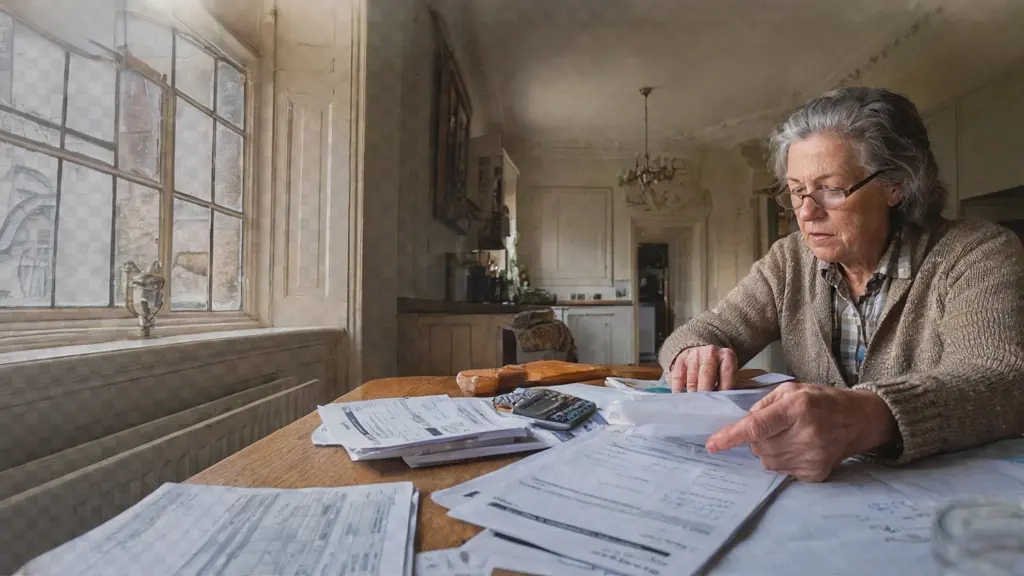
Three neighbouring boroughs are preparing to challenge Government funding cuts that could trigger what has been described as Britain’s largest Richmond council tax rise in recent memory. Wandsworth, Kensington and Chelsea, and Westminster councils are expected to formally appeal the settlement, setting up a test case that Richmond upon Thames Council will be watching closely. If the challenge fails, the same funding pressures could push Richmond’s own council tax significantly higher when bills land in April.
The funding dispute centres on the Government’s 2026 settlement, which neighbouring councils argue does not reflect the true cost of delivering services in London.Why three boroughs are challenging the settlement
The three councils argue that the settlement fails to account for London’s higher service costs. Wandsworth, Kensington and Chelsea, and Westminster have all indicated they will formally appeal the 2026 Local Government Finance Settlement, which determines how much central funding each council receives and how much they can raise through council tax. The three authorities, which together serve populations comparable to Richmond’s, maintain that the settlement formula does not reflect the actual cost of delivering statutory services such as adult social care, children’s services, and homelessness support in the capital. If their appeal is unsuccessful, each council faces a choice: cut services significantly or raise council tax by the maximum amount allowed without triggering a local referendum, currently set at 4.99 per cent. Richmond upon Thames Council has not yet joined the formal challenge but faces exactly the same arithmetic.What this could mean for Richmond’s budget
Richmond’s budget is built on the same Government formula now being challenged. Richmond upon Thames Council receives a mix of central Government grants and locally raised council tax to fund everything from road maintenance to libraries. The 2026 settlement, like those given to the three challenging boroughs, provides less support than the council requested, meaning the gap must be closed either through cuts or higher local taxation. While the council has not yet published its full budget proposal for 2026, the same pressures affecting Westminster and Wandsworth apply here: rising demand for adult and children’s social care, increased homelessness costs, and higher wage bills. If the appeal by the three boroughs fails, Richmond is likely to follow a similar path, with council tax rises close to the referendum limit. The formal budget will be debated at a full council meeting in February, giving residents a chance to see the detail and respond.How we got here
- December 2025
- Government published the 2026 Local Government Finance Settlement, allocating funding to all councils in England.
- January 2026
- Wandsworth, Kensington and Chelsea, and Westminster indicated their intention to formally challenge the settlement.
- Late January 2026
- Richmond upon Thames Council expected to publish draft budget for 2026/27.
- February 2026
- Public consultation and scrutiny period for Richmond’s budget.
- March 2026
- Full council meeting to vote on final budget and set council tax rate for 2026/27.
- April 2026
- New council tax bills issued to all households in Richmond upon Thames.
Wandsworth Council, which serves a population of around 330,000 just across the river from Richmond, has been particularly vocal about the settlement. The borough currently has one of the lowest council tax rates in London but has warned residents that a significant rise is now unavoidable unless the Government changes course. Westminster City Council, covering the West End and parts of Pimlico, faces similar pressure despite a large commercial tax base.
How council tax is set and what comes next
The process follows a strict timetable that ends with your bill in April. Each year, councils must set their council tax rate by mid-March, following a budget process that includes public consultation, scrutiny by councillors, and a final vote at full council. Richmond upon Thames Council typically publishes a draft budget in late January or early February, allowing residents and community groups to comment before the final decision. If the council proposes a rise above 4.99 per cent, it must hold a local referendum, which is costly and uncertain. Most councils therefore stay at or just below that threshold, even if it means difficult choices elsewhere in the budget. The outcome of the three boroughs’ formal challenge, expected within weeks, will clarify whether the Government intends to offer any additional support or stand by the original settlement. Whichever route Richmond chooses, you will receive formal notification of the new rate with your council tax bill in early April.What this means for you
If you want to influence Richmond’s budget decision, the formal consultation period in February is your opportunity. Watch for the draft budget publication on the council’s website, typically announced via the Richmond upon Thames Council news page and through local email alerts. You can submit written comments directly to the council, attend the budget scrutiny meeting (open to the public), or contact your ward councillors to make your views known. If you claim Council Tax Support or a single-person discount, check whether you are receiving everything you are entitled to, particularly if bills rise: the council’s Revenues team can review your account. Finally, if you want to understand how your council tax is divided between services, the bill you receive in April will include a breakdown showing how much goes to adult social care, children’s services, and other functions. The outcome of the funding challenge will shape council budgets across London, including Richmond’s. Keep an eye on the draft budget in late January and use the consultation period to make your priorities known.In practical terms, the Government’s Local Government Finance Settlement for 2026 has left many London boroughs facing a gap between what they need to spend on statutory services and what they are permitted to raise locally without triggering a referendum.
Frequently asked questions
-
How much could council tax rise in Richmond in 2026?
- The exact figure has not yet been announced, but if Richmond follows the pattern of neighbouring boroughs, the increase could be close to 4. 99 per cent, the maximum allowed without a referendum. For a typical Band D property, that would mean an additional cost of around £85 to £90 per year. The final decision will be made at the full council meeting in March.
-
Why are some councils allowed to raise council tax more than others?
- All councils in England face the same percentage limit, currently 4. 99 per cent, unless they hold a local referendum. However, councils with responsibility for adult social care can add a further 2 per cent ‘precept’ specifically for that service, subject to Government approval. Richmond upon Thames is a single-tier borough, so it has responsibility for all local services and can apply both the general increase and the social care precept.
-
What happens if the three boroughs win their funding challenge?
- If the challenge is successful, the Government may be required to revise the settlement and provide additional funding to the three councils and potentially others in a similar position, including Richmond. That would reduce the pressure to raise council tax or cut services. However, legal challenges to Government funding settlements are rare and difficult to win, so most councils are proceeding on the assumption that the original settlement will stand.
-
Can I attend the council meeting where the budget is decided?
- Yes. Full council meetings are open to the public, and the budget meeting in March is one of the most important in the calendar. You can attend in person at the Civic Centre in Twickenham or, depending on the council’s current arrangements, watch via webcast. Details are published on the council’s meetings calendar at least five working days in advance.
-
Will my Council Tax Support be affected if the rate goes up?
- Council Tax Support is a discount based on your income and circumstances, not the headline rate. If you already receive support, the same percentage discount will apply to the new, higher bill, so your actual payment may still increase but by less than it would without the support. If your financial situation has changed recently, contact the council’s Revenues team to check whether you now qualify for support or a larger discount.
Useful resources
Castelnau Dentists
Castelnau Dentists is a well-regarded dental practice situated at 200 Castelnau in Barnes, SW13, serving the local community with patient-centred care delivered by a team of dentists and hygienists. The…
The Bench
The last tomatoes in Richmond gardens are coming indoors
The last tomatoes in Richmond gardens are coming indoors now, bundled in newspaper or lined up on kitchen windowsills. The green ones will never see another warm day outdoors. But they will ripen. Slowly, reluctantly, they turn from hard jade to blushing orange to full, soft red. You pick them before the first frost. That […]
Local groups